
What is “Toxic Load” and How Does it Affect the Body?
WRITTEN BY: TESS • September 16, 2025
You’ve probably seen the term “toxic load” floating around on social media—especially in wellness circles.
But is it just another buzzword used to sell detox teas and expensive wellness products? Or is there something actually worth understanding underneath it?
“Toxic load” (sometimes called body burden) refers to the idea that we are all exposed to small amounts of environmental compounds over time—from food, air, water, and everyday products—and that these exposures can accumulate in the body.
Think of it less like a single toxin “overload moment,” and more like a long-term build-up of exposure from modern life and our lifestyle choices.
Where do these exposures come from?
In today’s world, exposure to synthetic and environmental compounds is hard to avoid completely.
Common sources include:
- Household products like cleaners and air fresheners
- Personal care products such as shampoo, makeup, and lotions
- Processed foods with additives or pesticide residues
- Air pollution from traffic and industrial activity
- Drinking water (depending on local treatment systems)
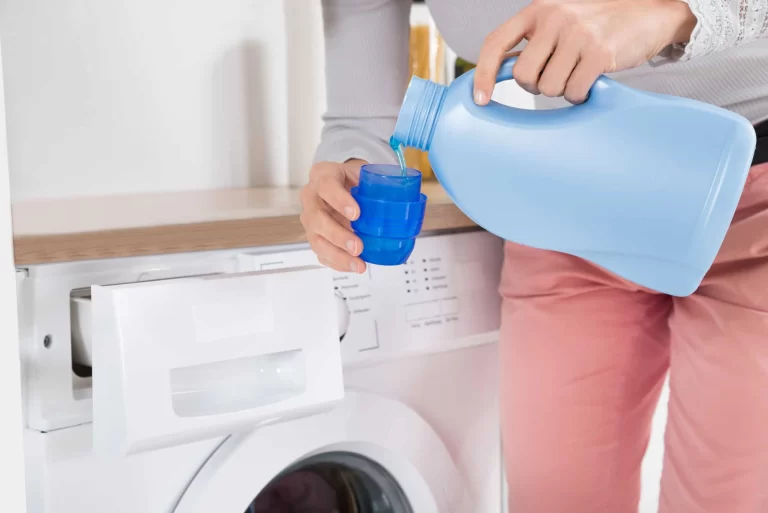
- Synthetic fragrances in candles, laundry detergents, and sprays
This doesn’t necessarily mean these things are “toxic” in isolation or that you need to fear them. But they are part of the overall exposure picture people are referring to when they talk about toxic load.
Why people pay attention to it
The concern behind the concept is that the body is constantly processing and eliminating various compounds through natural systems like the liver, kidneys, skin, and lungs (our innate detox pathways).
Most of the time, these systems do their job well. But researchers have also identified that certain persistent compounds—like microplastics and PFAS (“forever chemicals”)—can remain in the body or environment for long periods. Like these studies that identified microplastics in both brain and placental tissue.
This is where the idea of “body burden” comes from: not a single trigger, but long-term, cumulative exposure.
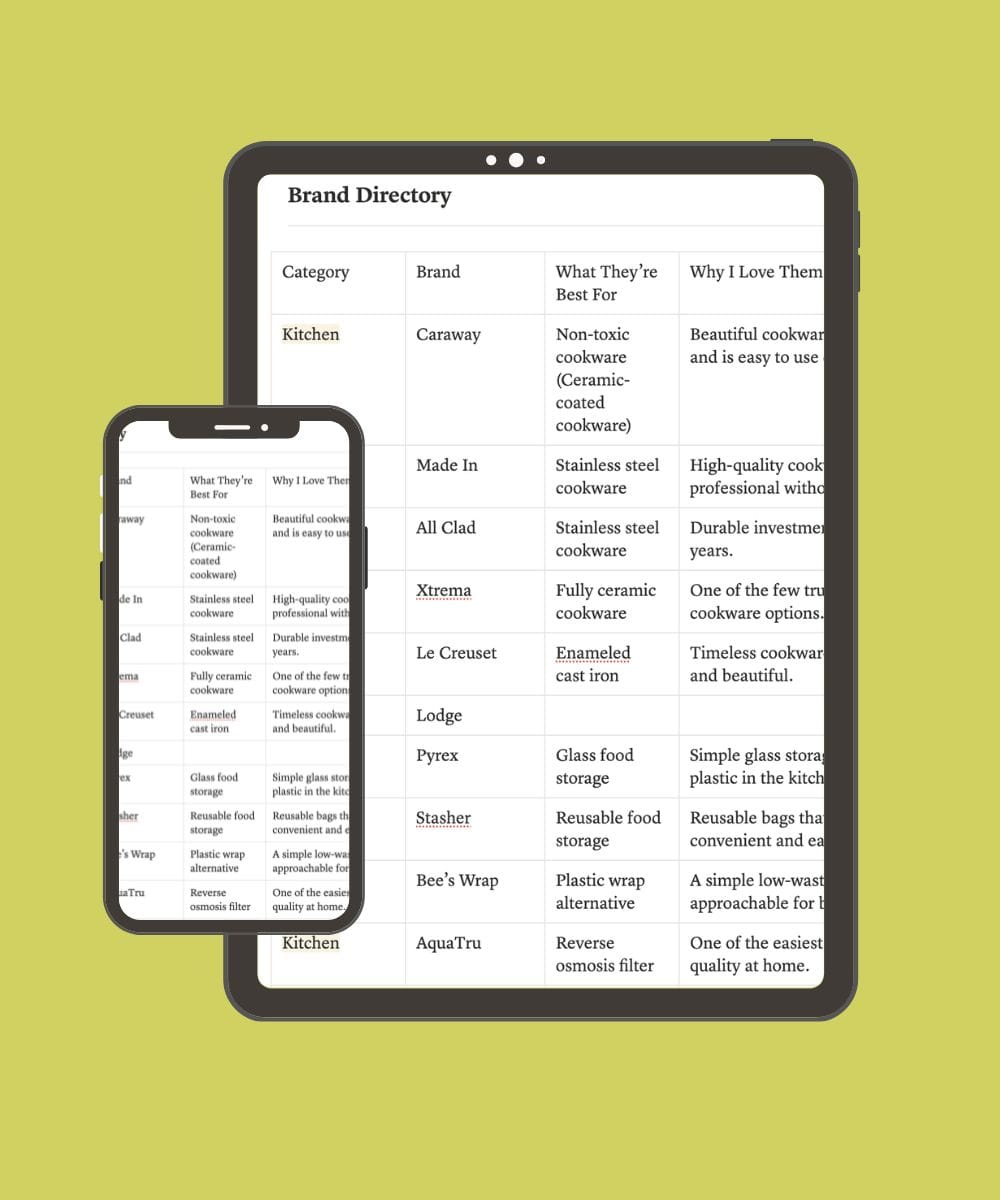
Steal my curated list of trusted non-toxic brands
Skip the overwhelm and get a carefully selected list of brands I personally use and recommend for a lower-tox home, personal care, and everyday essentials.
Potential effects on the body
Higher environmental exposure has been associated in some research with things like:
- Fatigue & low energy: When your body’s working overtime to detox, it can leave you feeling drained and sluggish
- Skin issues: Acne, rashes, or unexplained breakouts can often be a sign that your body’s trying to detox
- Hormonal imbalances: Toxins can interfere with your hormone regulation, leading to mood swings, irregular periods, and changes to fertitlity
- Immune system stress: A higher toxic load means your immune system has to work harder to fight off illness, leaving you more vulnerable to colds and infections
- Increased inflammation: Chronic exposure to toxins can cause your body to stay in a state of low-grade inflammation
Health is influenced by a variety of factors such as genetics, lifestyle, nutrition, stress, and sleep, so exposure to environmental stressors is just one piece of the puzzle.
Simple ways to reduce unnecessary exposure at home
You don’t need a perfect or “chemical-free” life. But there are small, practical swaps that can reduce avoidable exposure over time — without completely overhauling your life and stressing yourself out such as:
- Choose simpler cleaning and personal care products when possible (I like to use MADE SAFE and EWG Product Tool to find and verify the safety of products with cleaner, simpler ingredients).
- Prioritize whole foods and reduce ultra-processed foods when feasible
- Filter drinking water (Invest in a good water filter to remove contaminants from your drinking water, especially if your drinking water comes from a public water system)
- Improve indoor air quality through ventilation or an air purifier if needed
- Reduce synthetic fragrance use (candles, sprays, laundry products)
- Support your body’s detox pathways (Incorporate regular exercise, sauna sessions, dry brushing, and adequate hydration to help support your body’s natural detox processes)
Small changes make a big impact, so even if you pick one thing off this list, you’re making a choice to support your health.
For an easy place to start, get started with 21 Ways to Detox Your Home.
TL;DR
“Toxic load” isn’t a precise medical diagnosis—it’s a way of describing cumulative environmental exposure over time.
While the body is incredibly capable of handling everyday exposure, modern life does introduce a wider range of synthetic compounds than we’ve historically lived with.
Being mindful of that doesn’t need to be overwhelming. It can be as simple as making more intentional choices in your home, food, and personal care—when and where you can.
By being mindful of the products you use, the food you eat, and your home environment, you can lower your toxic load and help support your body to function at its best.