19 Natural & Non-Toxic Rug Brands For a Healthier Home
WRITTEN BY: TESS • May 7, 2026
Many conventional rugs are made with synthetic fibres, chemical stain treatments, adhesive backings, and flame retardants that can contribute to VOCs and indoor air pollution.
This guide highlights natural and lower-tox rug brands that prioritize materials like wool, cotton, jute, hemp, and sisal, along with certifications such as GOTS, OEKO-TEX, and GoodWeave where available.
I focused on brands that are transparent about materials and sourcing, prioritize natural fibres, and avoid unnecessary chemical treatments.
Instead of overwhelming options or vague “eco” claims, these are rugs chosen for simpler materials, clearer construction, and more thoughtful production.
If I were buying a rug again, these are the brands I’d personally start with.
Why choosing a natural fibre rug matters
To be honest, I didn’t really understand why rug materials mattered until I started doing research into indoor air quality and how most conventional rugs are made.
It seems harmless, right? It’s just material on your floors. But here’s why choosing a natural fibre rug can be one simple way to support a healthier indoor environment.
According to one study, we spend about 87% of our lives indoors (I’d argue probably even more these days with many of us WFH), which means what’s in our home environment really does matter more than we tend to think.
Many factors contribute to indoor air quality but furniture, textiles and fragranced products are key players. In other words, what we bring into our homes can quietly shape the air we breathe every day.
Rugs can contribute to indoor exposure in a few subtle ways:
- fibres and dust from abrasion
- chemical finishes and treatments
- VOCs from adhesives and backings
Essentially, when we walk on our rugs the abrasion can causes small particles to enter the air. If there are harmful chemicals in these rugs, those chemicals can enter the air and create a dust debris. We can inhale, ingest and absorb toxic chemicals.
Natural rug materials to look for
Alright, so you’re out and about shopping for a rug. What are you supposed to be looking for? A great starting place is to look for these natural materials:
- cotton
- wool
- sisal
- seagrass
- hemp
- jute
If you’re having trouble deciding on a natural material or you’re just feeling incredibly overwhelmed, check out this quick guide on natural rug materials — it helped me a ton when I was shopping.
Common chemical treatments to be aware of
This is where things get less transparent.
When and if chemical treatments are used, brands aren’t always required to disclose everything used in production (sigh… I know), which means you’ll often see rugs marketed as “natural” or “eco” without much detail on what’s actually in them.
What kind of chemical treatments? Here are a couple of the most common ones.
- Stain-resistant coatings — may use fluorinated chemicals (PFAS, a.k.a “forever chemicals”) and other water and oil repellent finishes. Used to resist spills and stains.
- Flame Retardants — some rugs may be treated with organophosphate flame retardants to meet flammability standards.
- Antimicrobial treatments — some rugs may be treated with antimicrobial biocides to resist mildew, mold and bacteria.
- Dye treatments — Many conventional rugs use synthetic dyes, potentially containing heavy metals. Bottom line? Brands usually don’t tell ya exactly what was used.
- VOC emitting adhesives/chemical backings — You know that “new rug smell”? Yeah, that’s likely a synthetic rubber backing. These are very common in polyester and machine-made rugs. There is a possible concern for VOCs and off-gassing from these synthetic adhesives and backings.
Marketing terms that may indicate synthetic treatments
Manufacturers often make it hard for consumers to really tell what went into the creation of their rugs, but here’s a little hack. Watch for these phrases if you want to avoid chemical treatments, adhesives, and synthetic backings:
- “stain resistant”
- “performance rug”
- “washable”
- “soil shield”
- “odour-resistant”
- “stain-proof”
- “performance fibres”
- “spill resistant”
- “antimicrobial”
What I personally look for instead
Cool, now that you can spot marketing lingo from a mile away, let’s talk green-flags we are looking for.
One thing to note…
Before you dive into the list, it’s worth setting expectations a little. Rugs that are 100% organic and certified across an entire product line are actually pretty rare. Some brands have it, but more often, certification applies to specific rugs rather than everything they sell — and plenty of brands use genuinely natural materials without being certified organic at all.
My personal take? A natural fibre rug — even without the certified organic label — is still a better choice than polyester. It’s not always the perfect option, but it’s a step in the right direction, and that’s the approach I try to take.
Best Natural & Non-Toxic Rug Brands
Below is a curated list of brands that use natural fibres, simpler construction, and more transparency than most.
Organic Weave
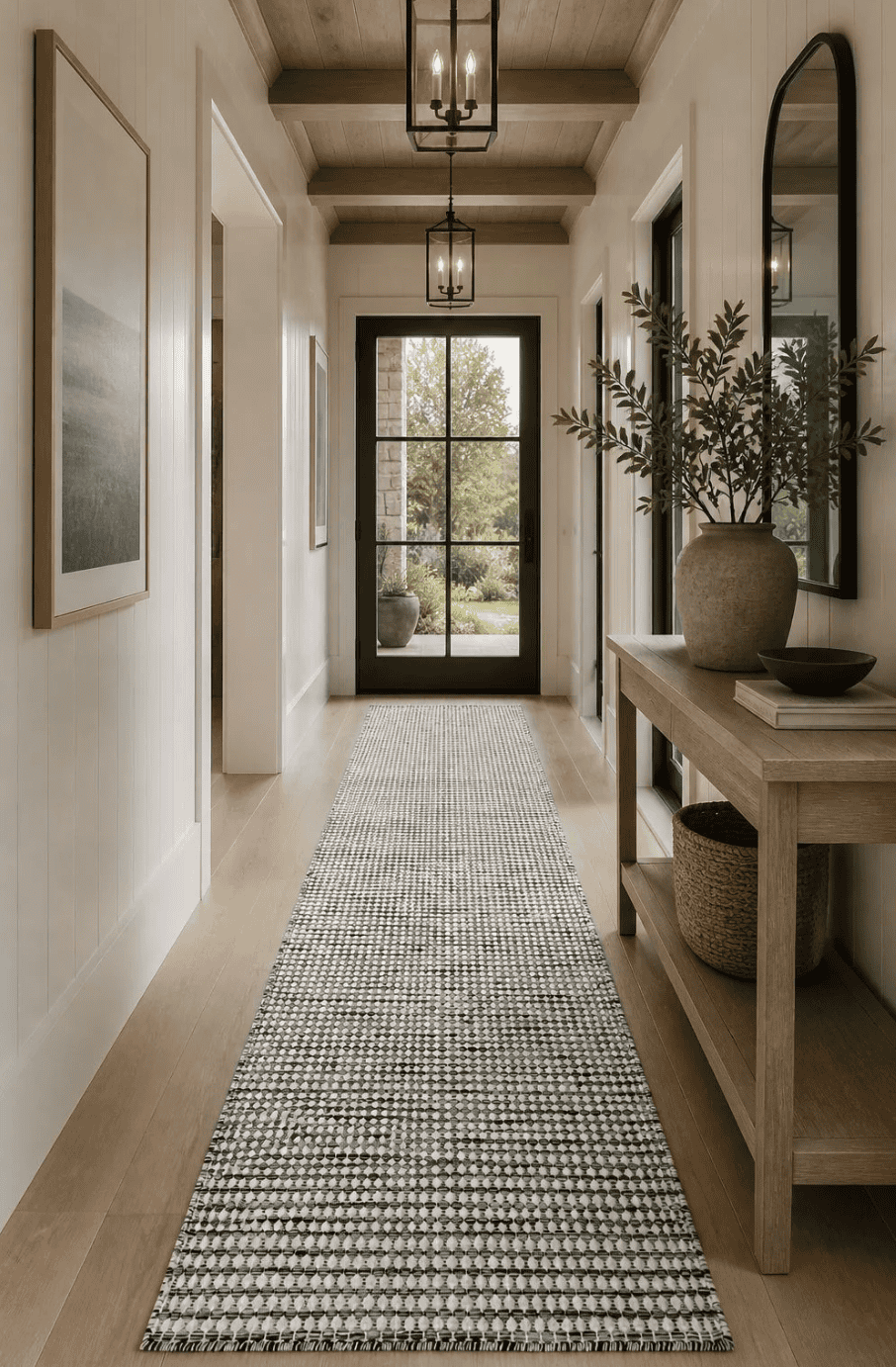
Organic Weave is all about organic, hand-woven rugs using certified organic fibres like wool and cotton. They’re committed to sustainability — a true “farm to floor” rug brand, and one of the most transparent options out there. Also notable: they’re the only brand in the world with full GOTS certification across their entire rug line!
Features
- GOTS-certified organic, GoodWeave certified
- Certified organic cotton and wool
- Dyed with non-toxic dyes
- FSC-certified natural rubber latex backing on hand-tufted rugs
- No chemical treatments or synthetic agents
The Citizenry
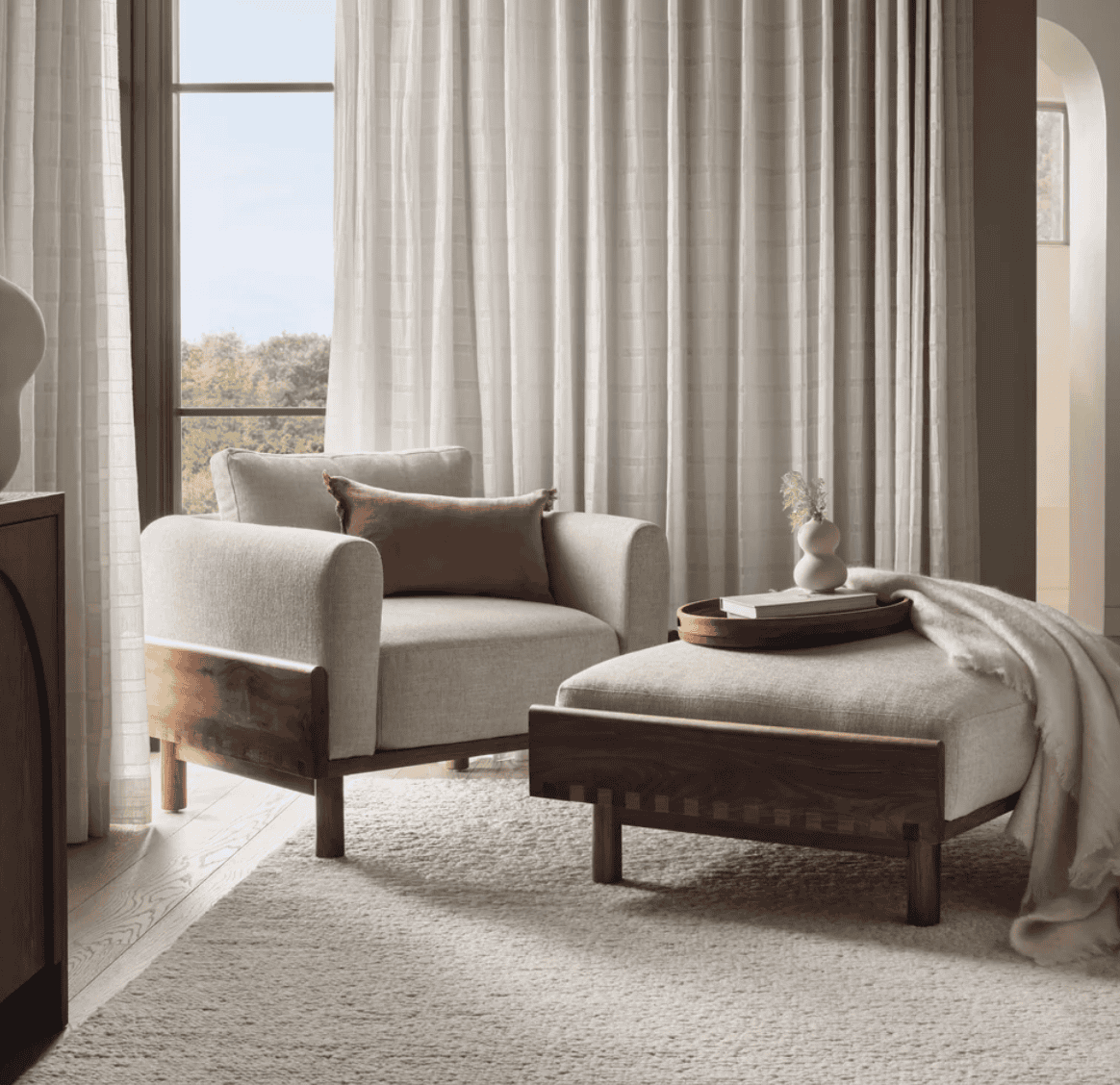
The Citizenry works with artisan makers around the world to produce small-batch rugs, usually in natural materials like wool and cotton. Everything feels very considered — more “made slowly” than mass-produced. If you love the idea of knowing your rug came from a real person’s hands, this is a great one to explore.
Features
- OEKO-TEX certified materials
- Handcrafted production
- Small-batch manufacturing
- Wool, cotton, jute
- 100% Fair Trade Guaranteed
Lorena Canals
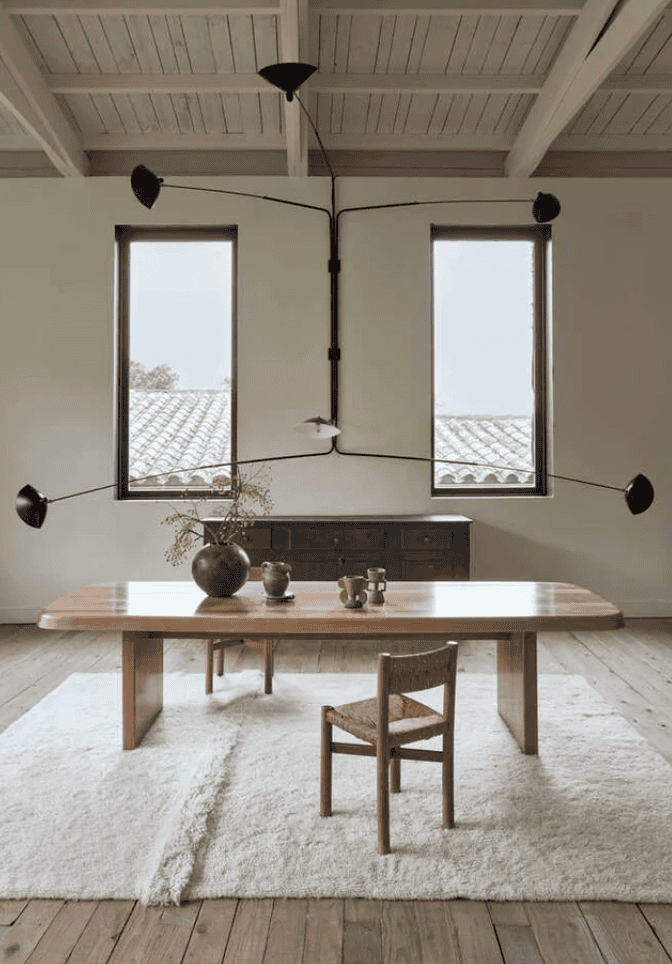
Lorena Canals is the brand you’ve probably seen for washable rugs. Mostly cotton-based, very practical, and a lot of their pieces are OEKO-TEX tested depending on the design. A solid pick if you need something that can handle real life.
Features
- Cotton (signature washable rugs), some wool + jute collections
- OEKO-TEX STANDARD 100 used on many products (varies by rug)
Hook & Loom
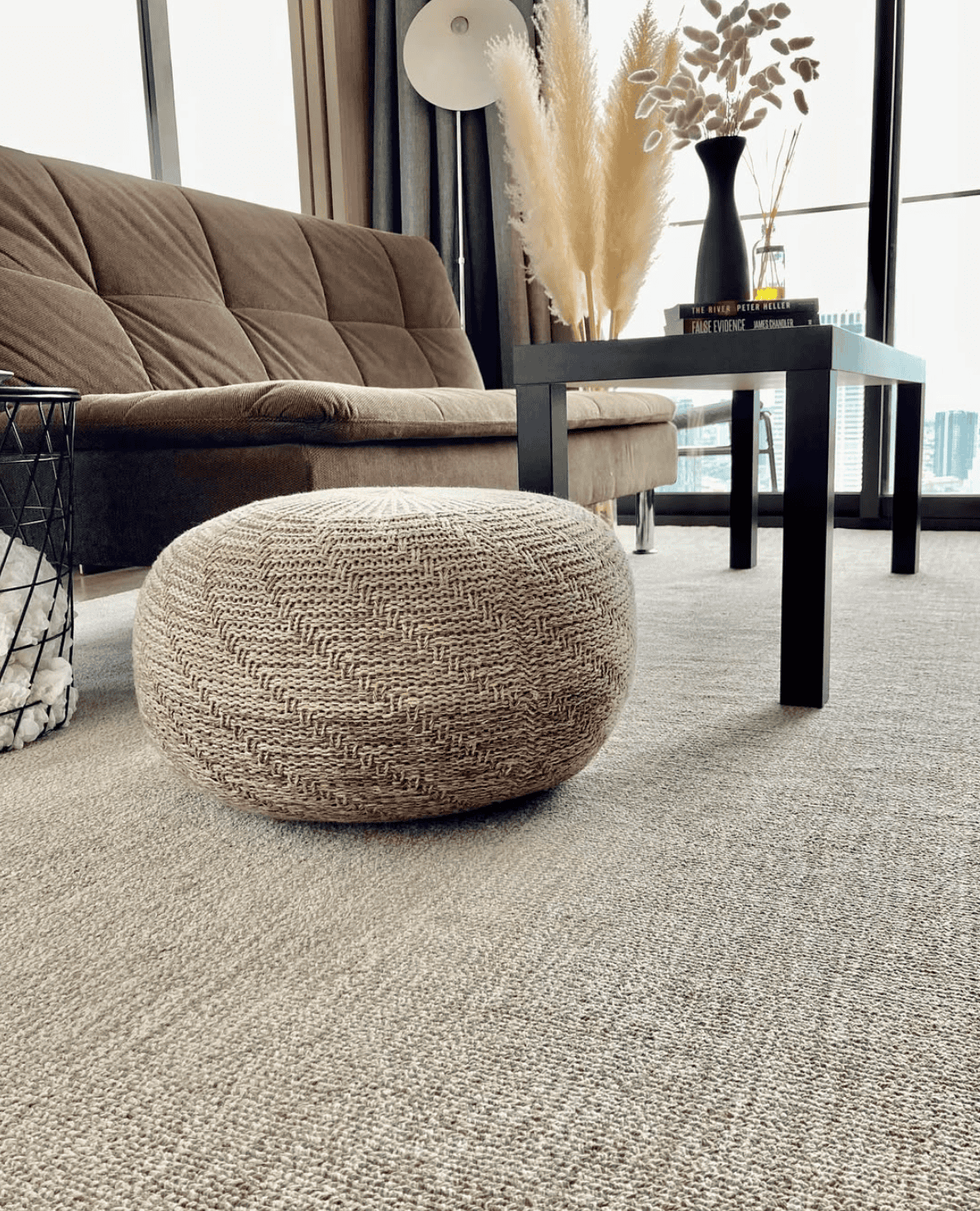
Hook & Loom keeps things pretty straightforward: handmade rugs, natural cotton and wool, and a focus on being transparent about what you’re actually buying. Very no-nonsense in a good way — no fluff, just honest materials and simple construction.
Features
- Cotton line is GOTS-certified organic
- Cotton, wool, jute, cotton-wool blends
- No adhesives or latex
- Handwoven
Nordic Knots
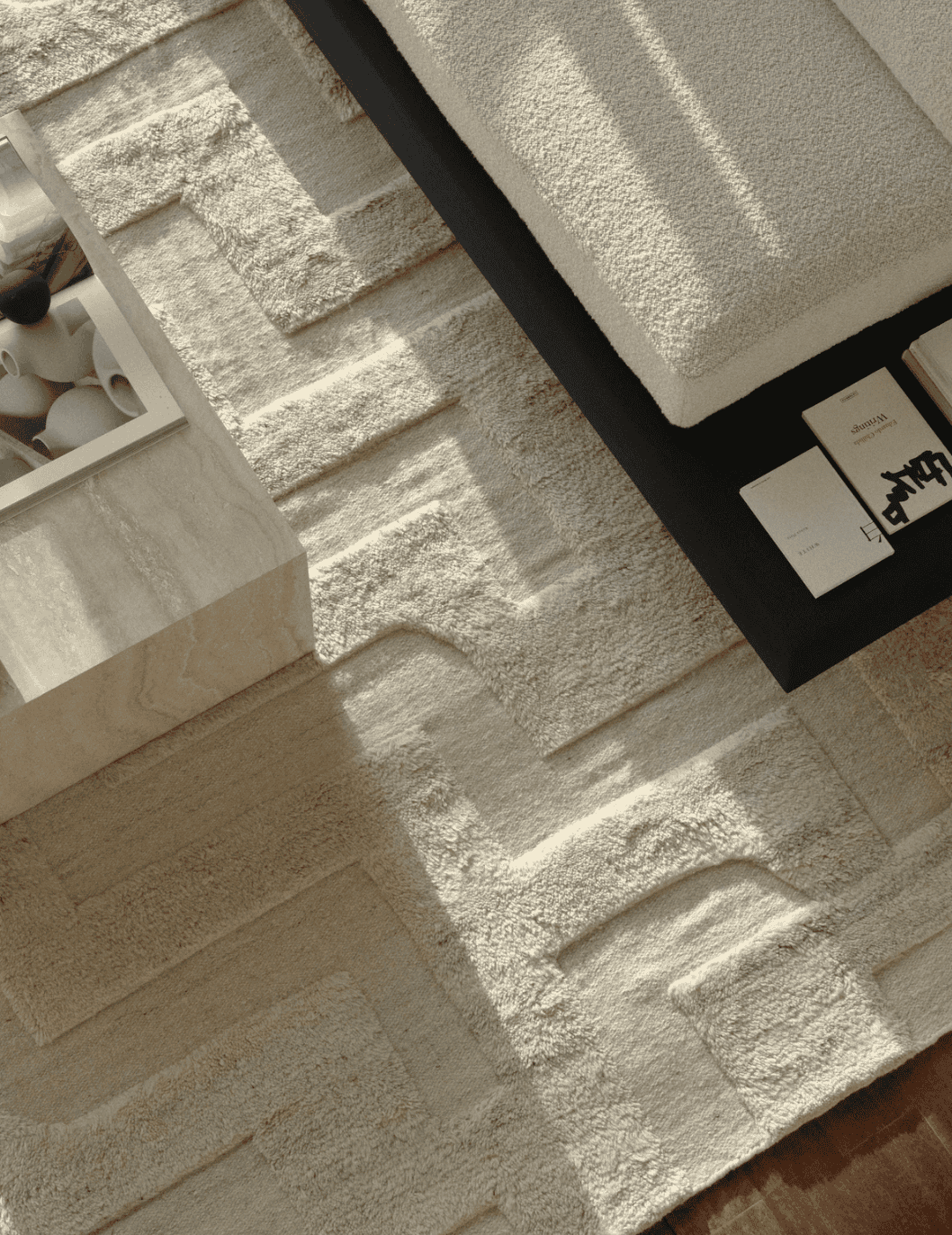
Nordic Knots is more of that quiet, minimal, design-led vibe. A lot of wool rugs, very clean look, and everything feels like it’s made to last rather than follow trends. If you want something that’s going to feel just as right in ten years, this is worth a look.
Features
- Wool (primary), some wool-blend constructions
- GoodWeave certification
Loomy
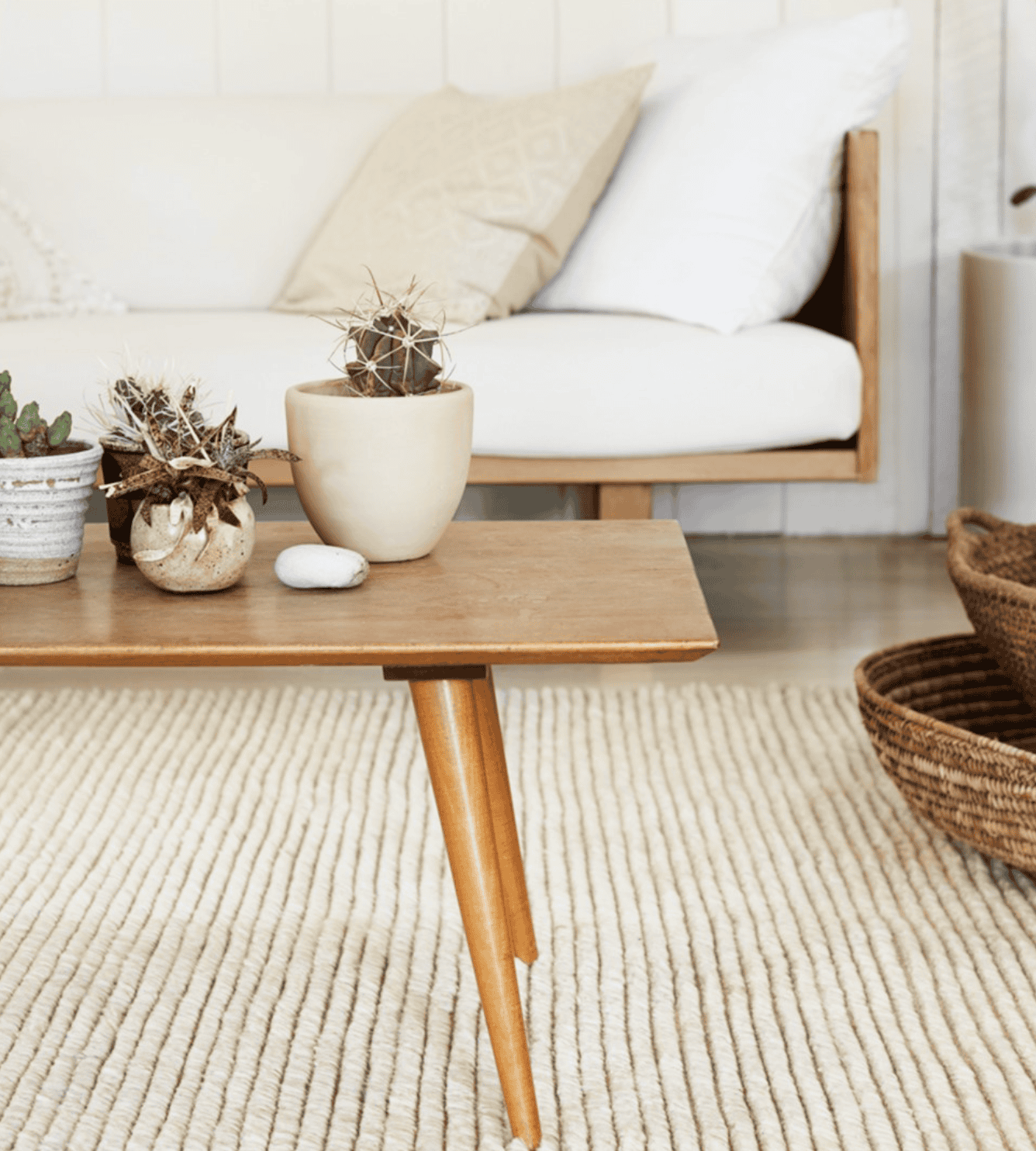
Loomy is custom rugs made to order — mostly wool-based — so you can pick your size and style instead of working around standard options. Feels more intentional, less “warehouse inventory.” A great option if you’ve ever struggled to find the right dimensions.
Features
- Wool, jute, cotton, hemp, and sisal
- Custom sizing, made-to-order
- Rugs are designed to biodegrade in under 2 years
Nestig
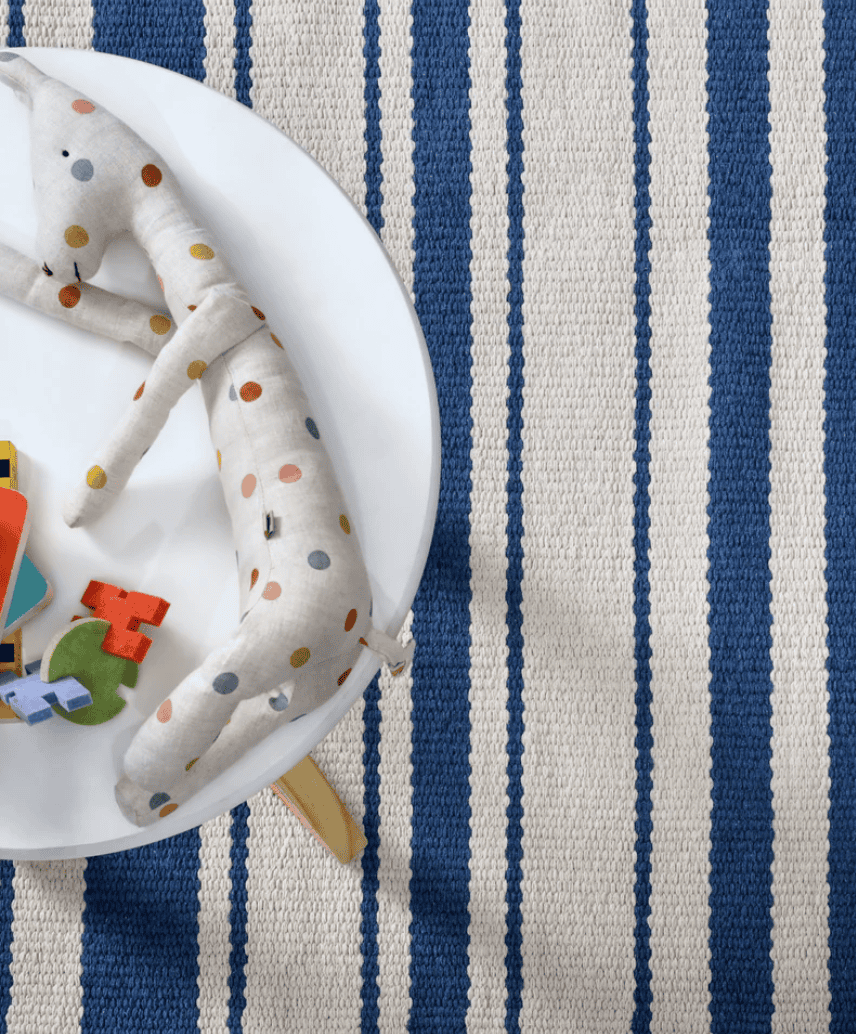
Nestig started with nursery pieces, so everything has that soft, calm, gentle feel. Natural fibres like cotton and wool blends, and some OEKO-TEX certified materials depending on the rug. A lovely option if you’re outfitting a little one’s room and want to feel good about what’s on the floor.
Features
- Cotton and wool blends
- Some OEKO-TEX claims across textiles (varies)
- Fun kids & nursery-focused designs
Cold Picnic
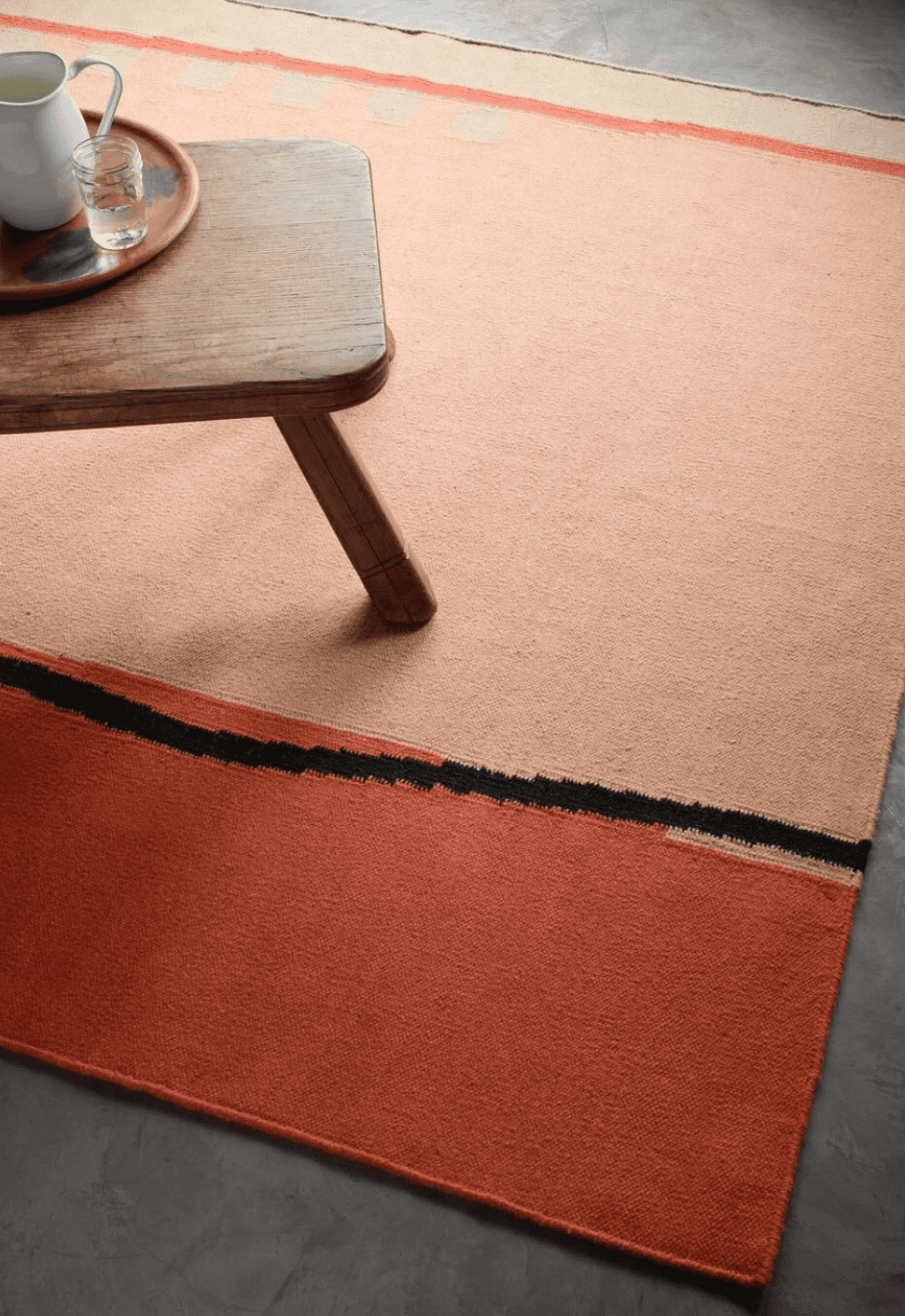
Cold Picnic is where rugs feel more like art. Hand-tufted wool pieces, bold but still natural in material. Definitely more expressive than your typical neutral rug brand — if you want a rug to be the focal point of a room, this is the one.
Features
- Organic cotton, hemp, bamboo silk, and deadstock materials
- GoodWeave and Care & Fair certified
- No chemical coatings
Ferm Living
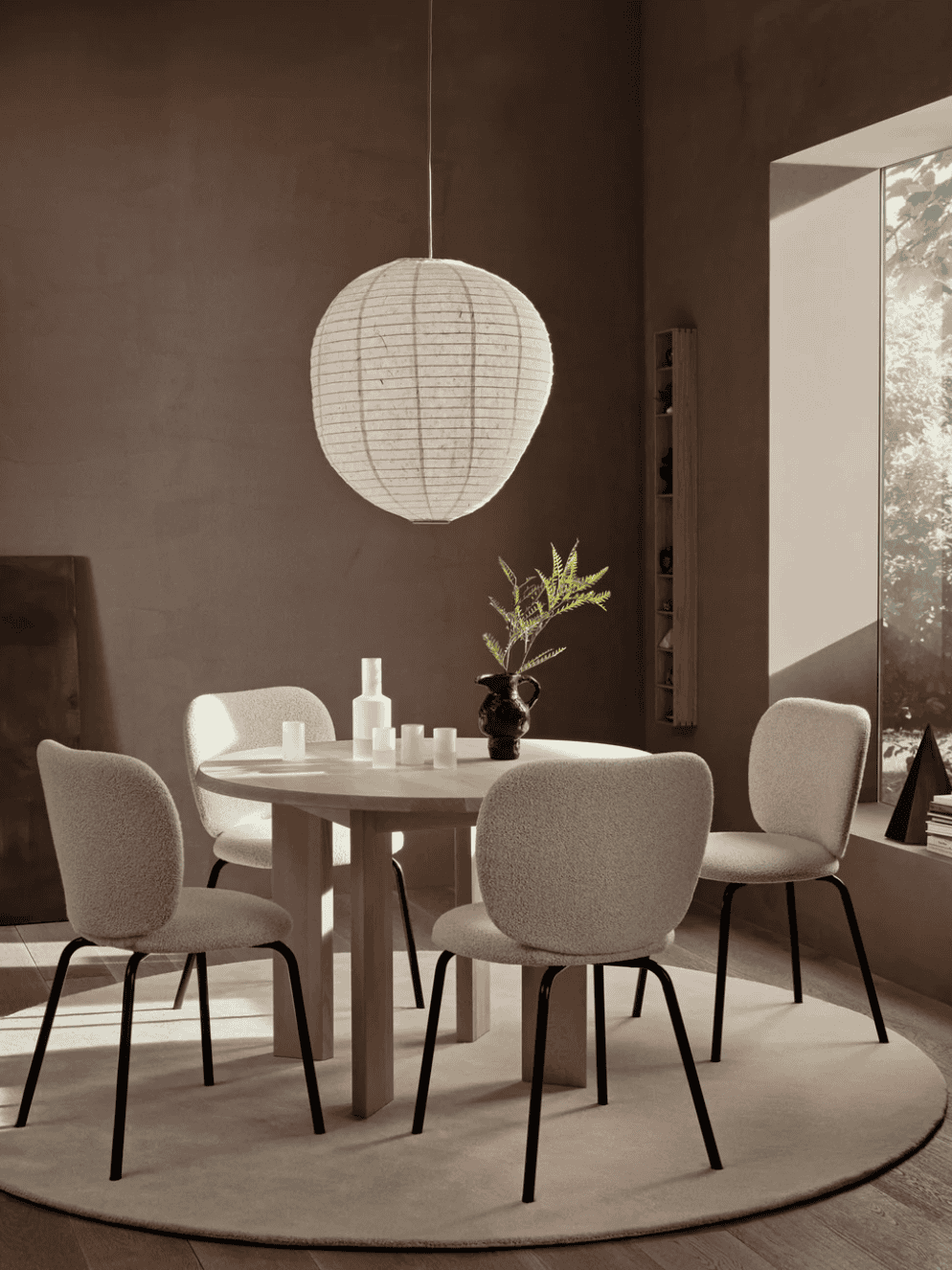
Ferm Living sits in that modern Scandinavian space — jute, wool, cotton, lots of texture. The aesthetic is very clean and considered, and some OEKO-TEX certified textiles are scattered across their collections, though it varies by piece.
Features
- Wool, jute, cotton, sometimes blends depending on rug
- Some OEKO-TEX STANDARD 100 products (not universal)
Armadillo Co.
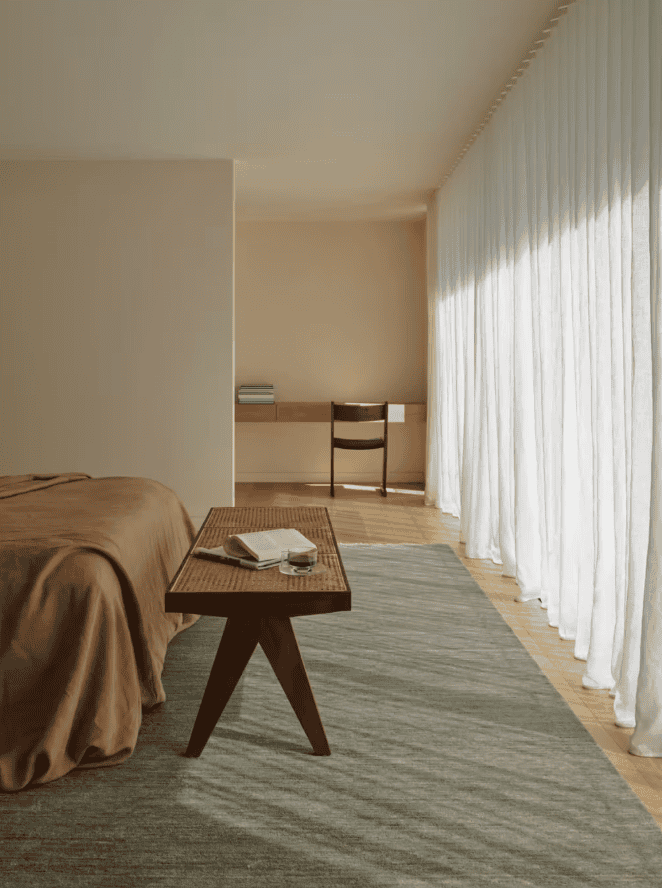
Armadillo is very high-end and very natural-fibre focused — wool, jute, silk, hemp. It’s one of those brands that really leans into craftsmanship and slow production. If you’re investing in a statement piece and want to feel confident in the ethics behind it, Armadillo is hard to beat.
Features
- Wool, jute, linen blends depending on collection
- Hand-knotted, artisan-made
Due East
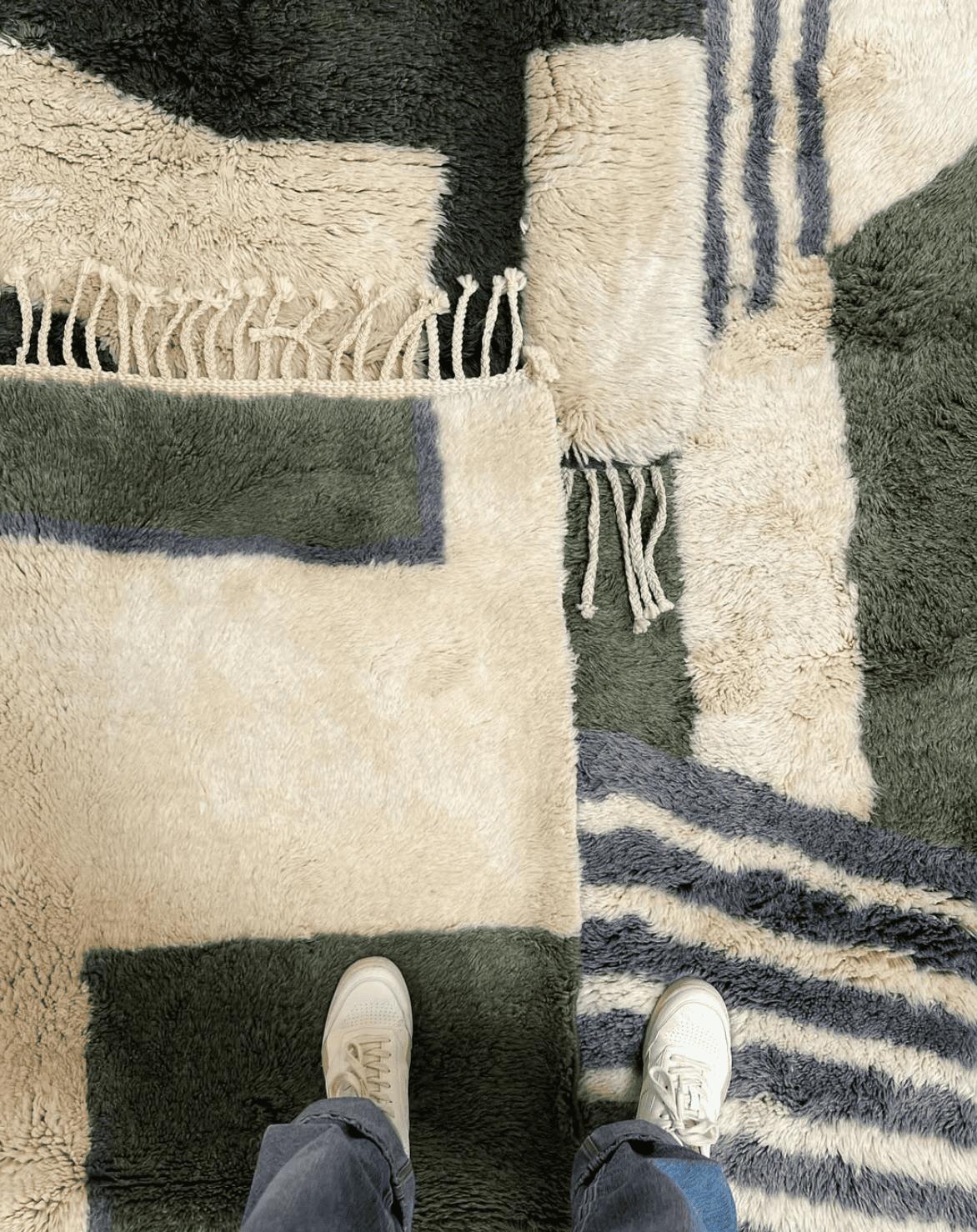
Due East feels quiet and handmade in the best way. Natural materials, traditional techniques, and rugs that don’t try too hard — just warm, textured, and grounded. A good one to bookmark if you love understated craftsmanship.
Features
- Natural fibres (often wool/jute depending on collection)
Quince
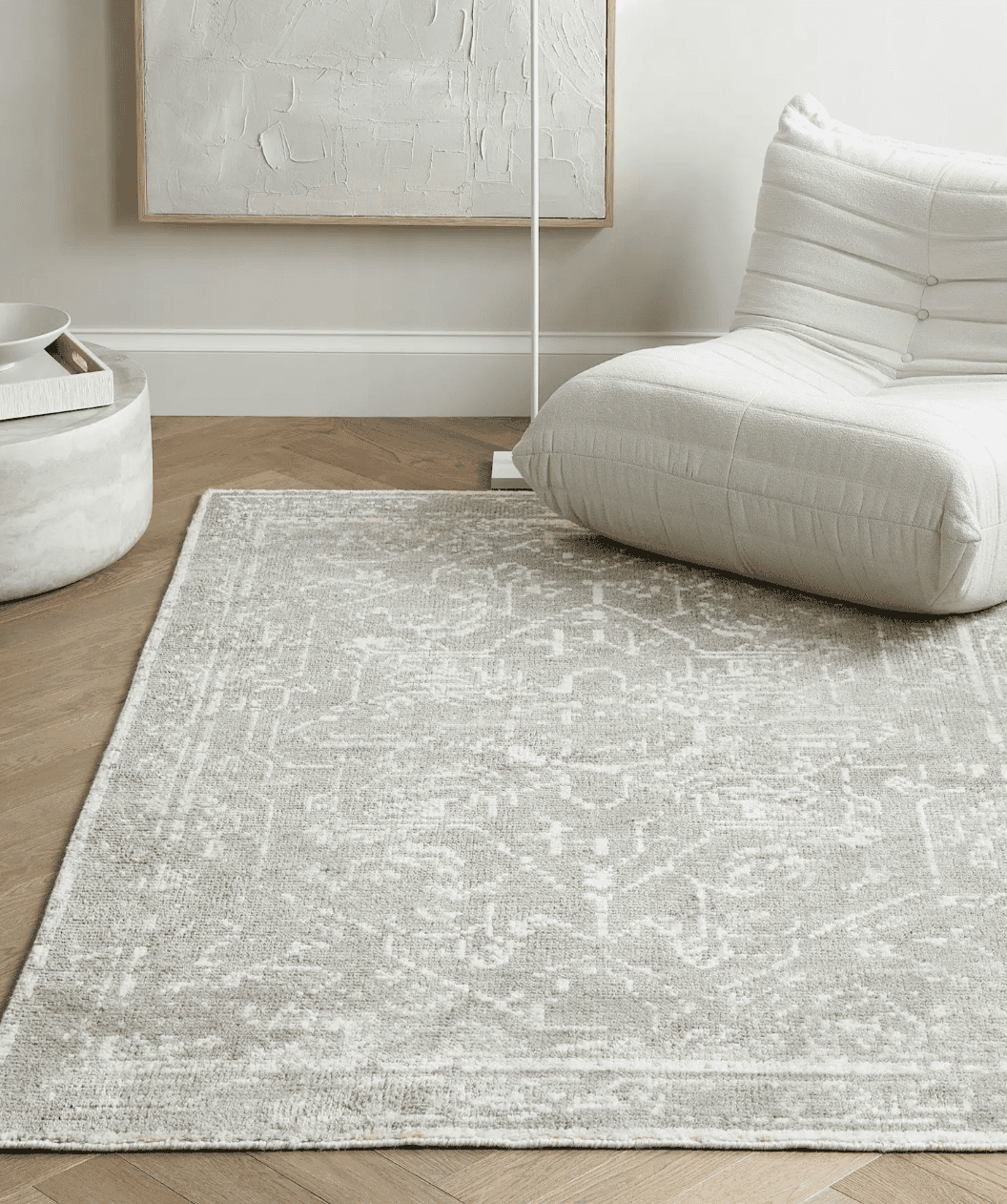
Quince is direct-to-consumer, so the focus is on cutting out the middleman and keeping prices honest while using materials like wool and natural fibres. Not everything is the same material across their line, but they’re pretty upfront about it — worth a browse.
Features
- Wool, cotton, jute
West Elm
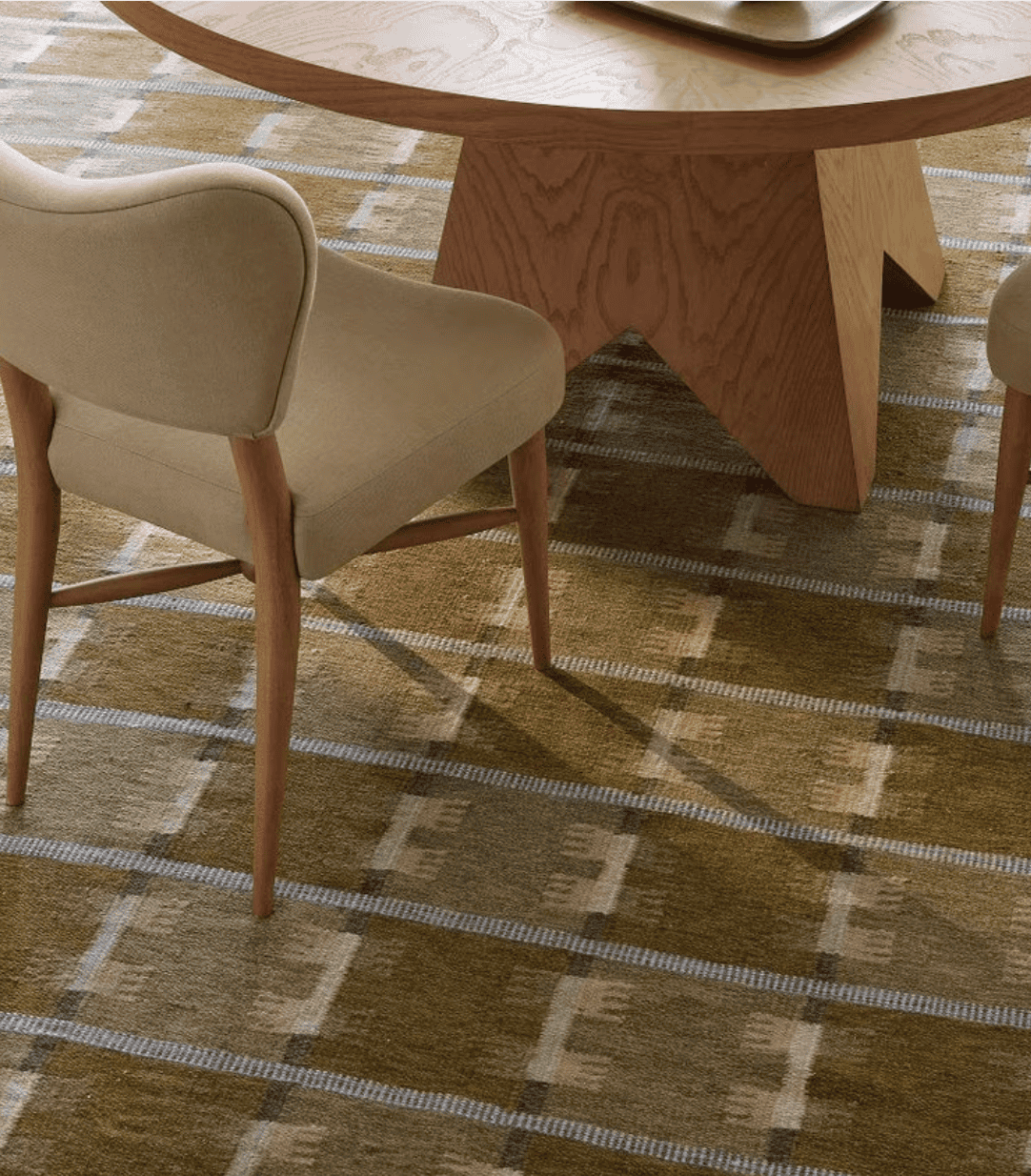
West Elm is a mix — some wool and jute rugs, some blends, some recycled materials. It really depends on the piece, but there are definitely more natural options if you dig a bit. Not every rug will tick the boxes, but it’s accessible and worth filtering through.
Features
- Mix of wool, cotton, jute
- OEKO-TEX and Fair Trade Certified options on select products (not across all rugs)
Sage & Wild
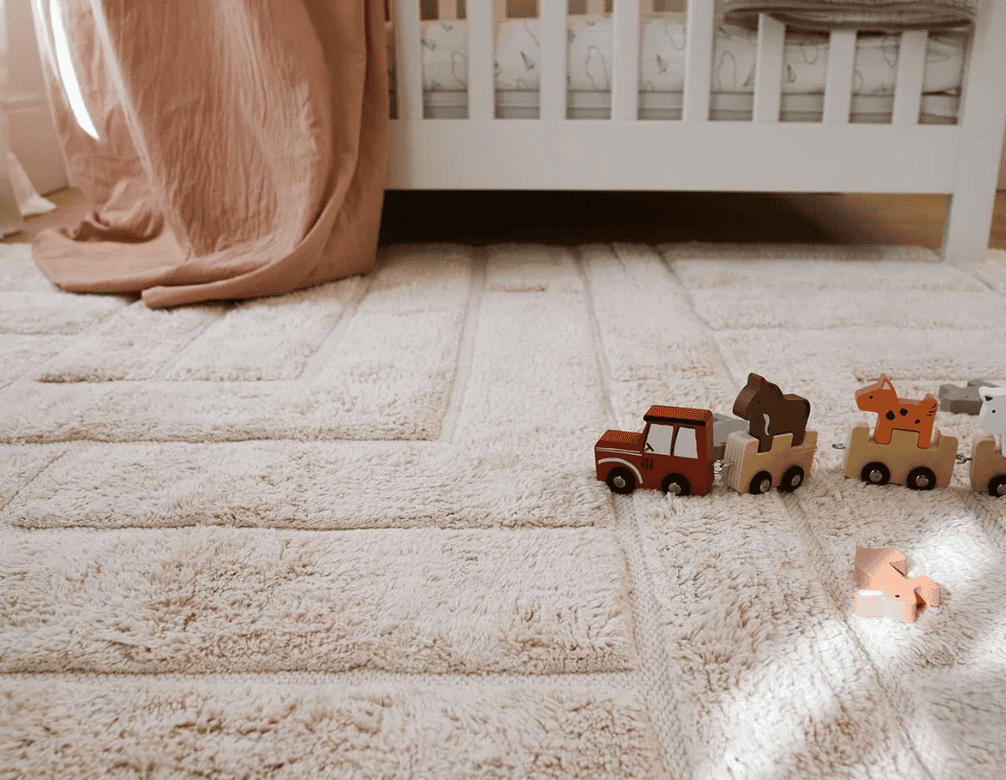
Sage & Wild has a really grounded, earthy feel — the kind of brand that makes you want to slow down a little. They use GOTS-certified organic cotton and Responsible Wool Standard (RWS) certified New Zealand wool, which puts them a step ahead on the transparency front. A lot of their rugs are also machine-washable, which is a nice bonus when you’re trying to balance natural materials with real life.
Features
- GOTS certified organic cotton
- 100% Responsible Wool Standard (RWS) certified New Zealand wool
- Machine-washable
Oh HappyHome
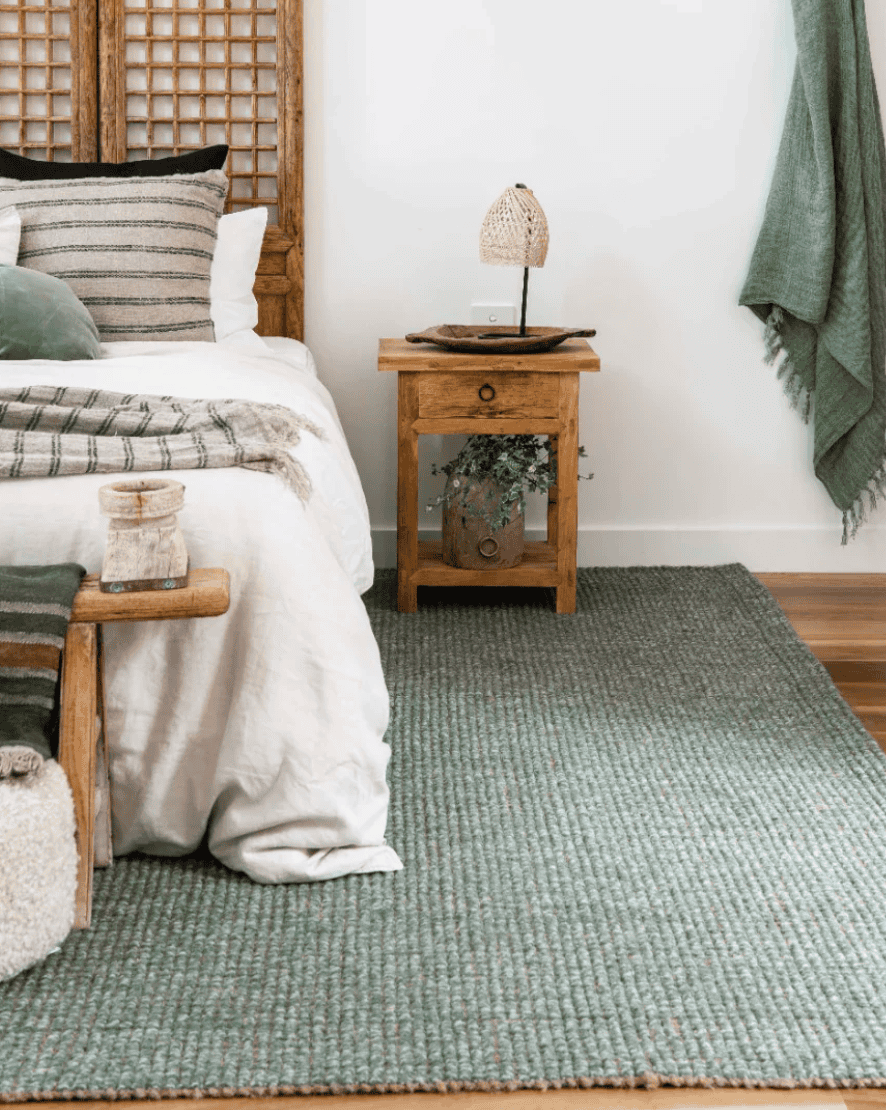
Oh HappyHome has a warm, unfussy aesthetic that’s easy to love — soft tones, simple shapes, nothing that tries too hard. They use cotton and wool with non-toxic dyes, and carry GoodWeave certification, which means ethical production practices are part of the picture too. A smaller brand, but one worth knowing about.
Features
- Cotton and wool
- Machine-washable
- Non-toxic dyes
- GoodWeave certified
- Australia-designed, made in India
Jubi
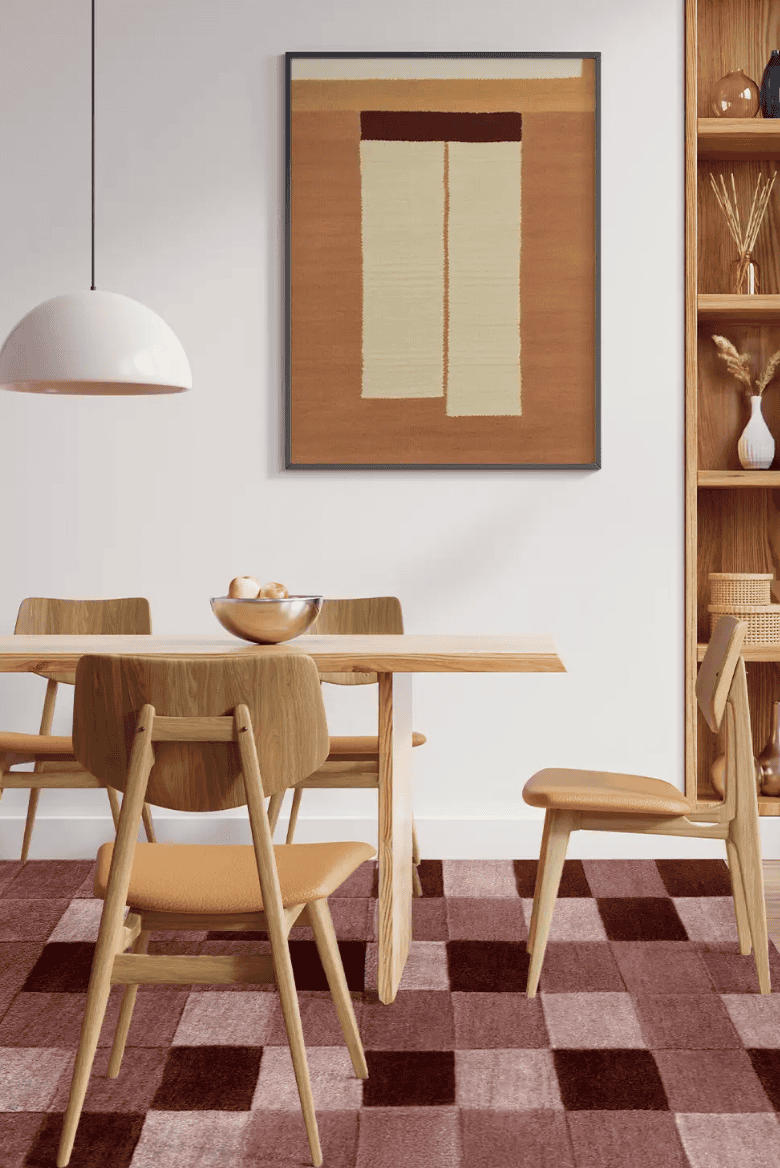
Jubi brings a bit more personality to the natural rug space — handmade, made-to-order, and a little more design-forward than your typical neutral brand. They work with New Zealand wool and build rugs meant to last, which feels refreshing when so much in this space is fast and disposable. Good pick if you want something that feels intentional but doesn’t take itself too seriously.
Features
- New Zealand wool
- Made-to-order, built to last
- GoodWeave certified
- Hand-tufted
Willaby
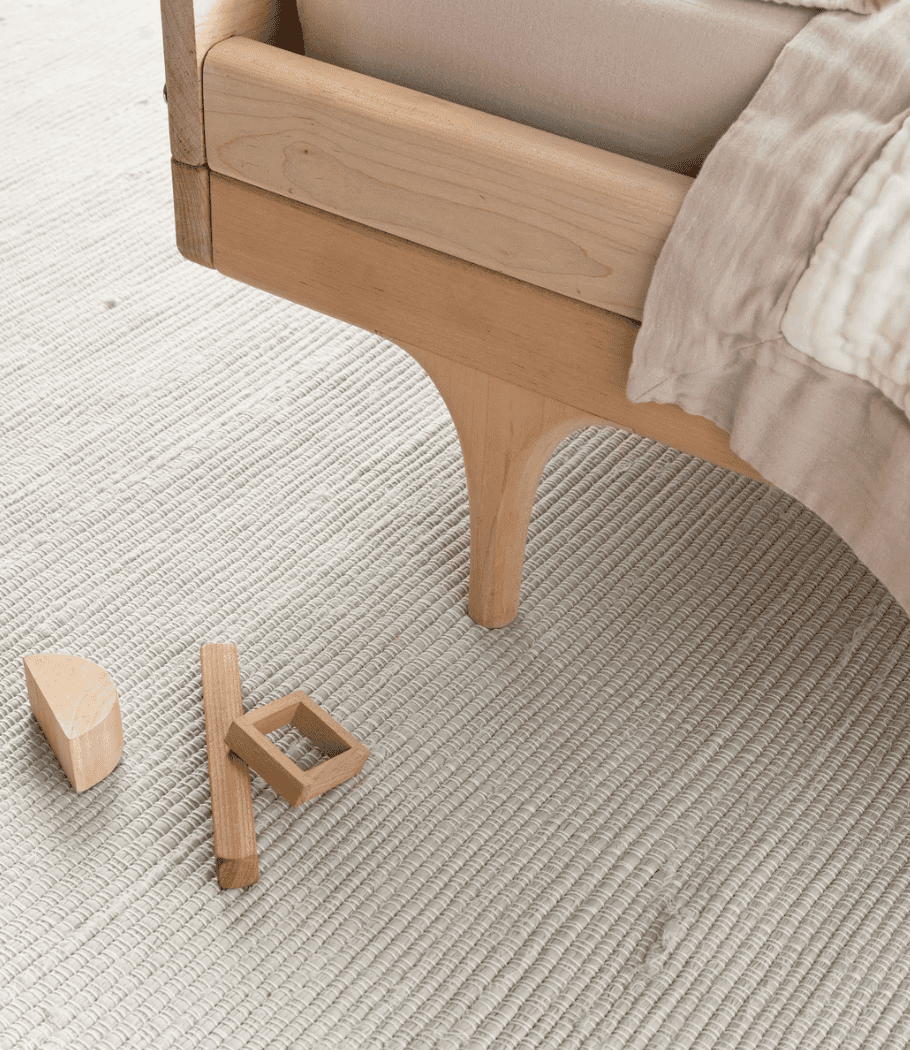
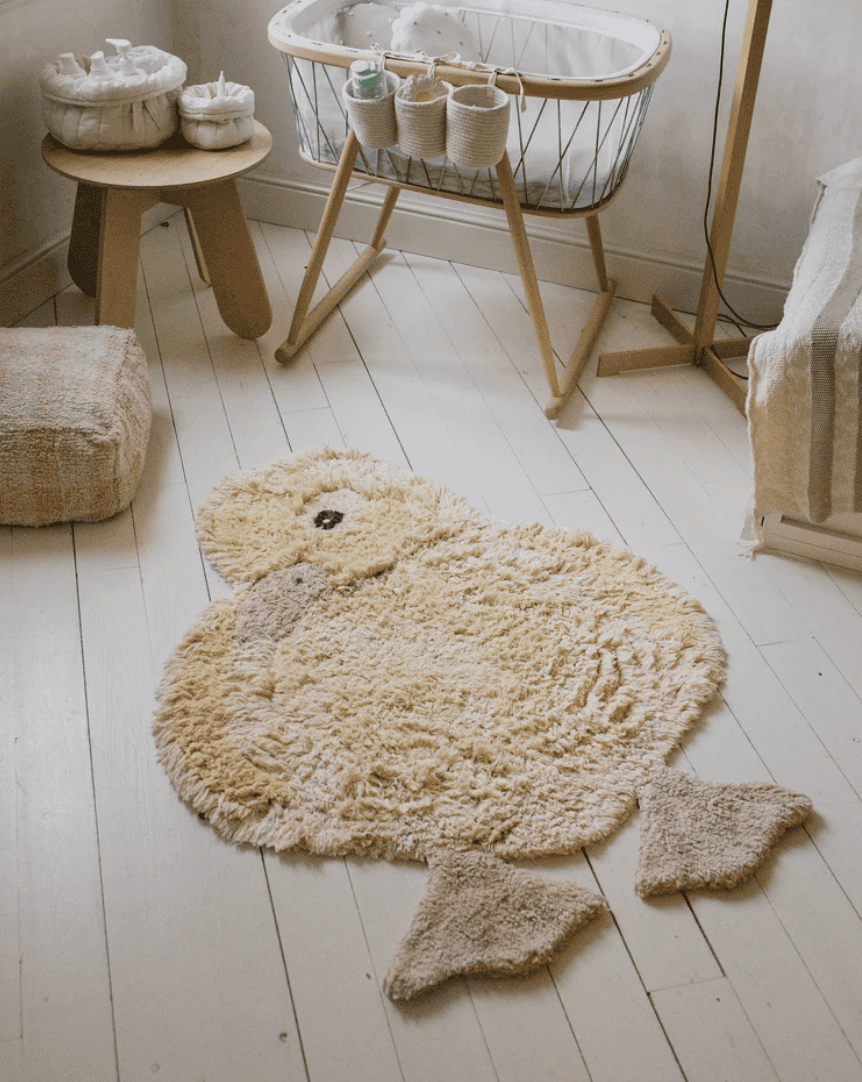
Willaby makes soft, simple rugs with family spaces in mind — the kind you’d put in a playroom or a kid’s bedroom without stressing about it. They use GOTS-certified organic cotton gauze, hand-crafted construction, and the rugs are machine-washable. Very calm, very practical, and genuinely low-fuss in the best way.
Features
- GOTS-certified organic cotton gauze
- Hand-crafted
- Machine-washable
Healthier Homes
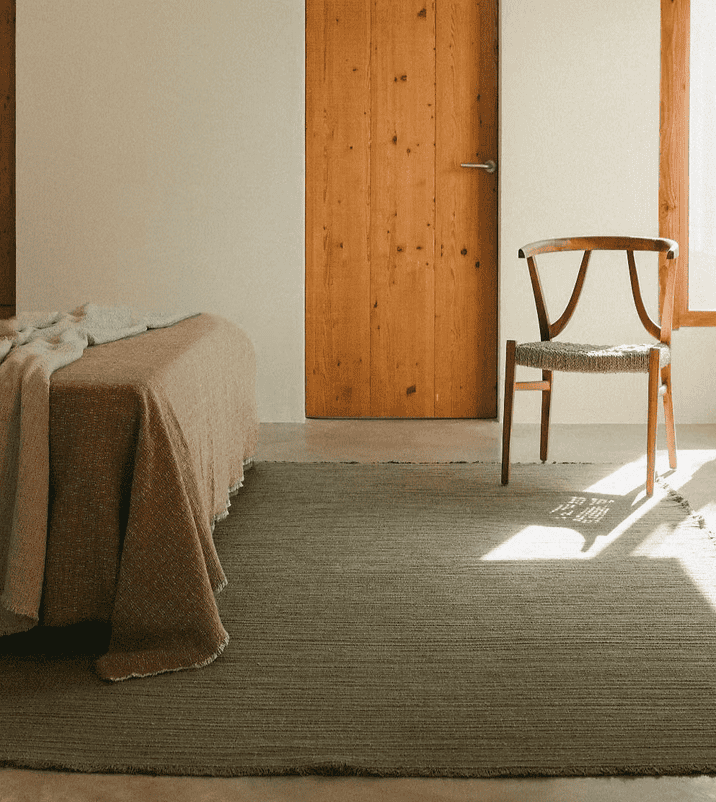
Healthier Homes is a wellness-focused home brand that curates products with lower-tox living in mind — rugs included. They focus on natural fibres like cotton and wool, with no chemical treatments or synthetic dyes. It’s a good one to bookmark if you want a brand that’s already done some of the vetting for you.
Features
- curated retailer of natural fibre rugs
- No chemical treatments or synthetic dyes
I hope this list of natural and non-toxic rug brands was a helpful starting point for you, so you can find a rug that you not only love but also supports a healthier home.
This list is definitely not exhaustive — I know there are many other amazing brands out there (if you have any favourites, let me know down below!).
Thanks for reading!
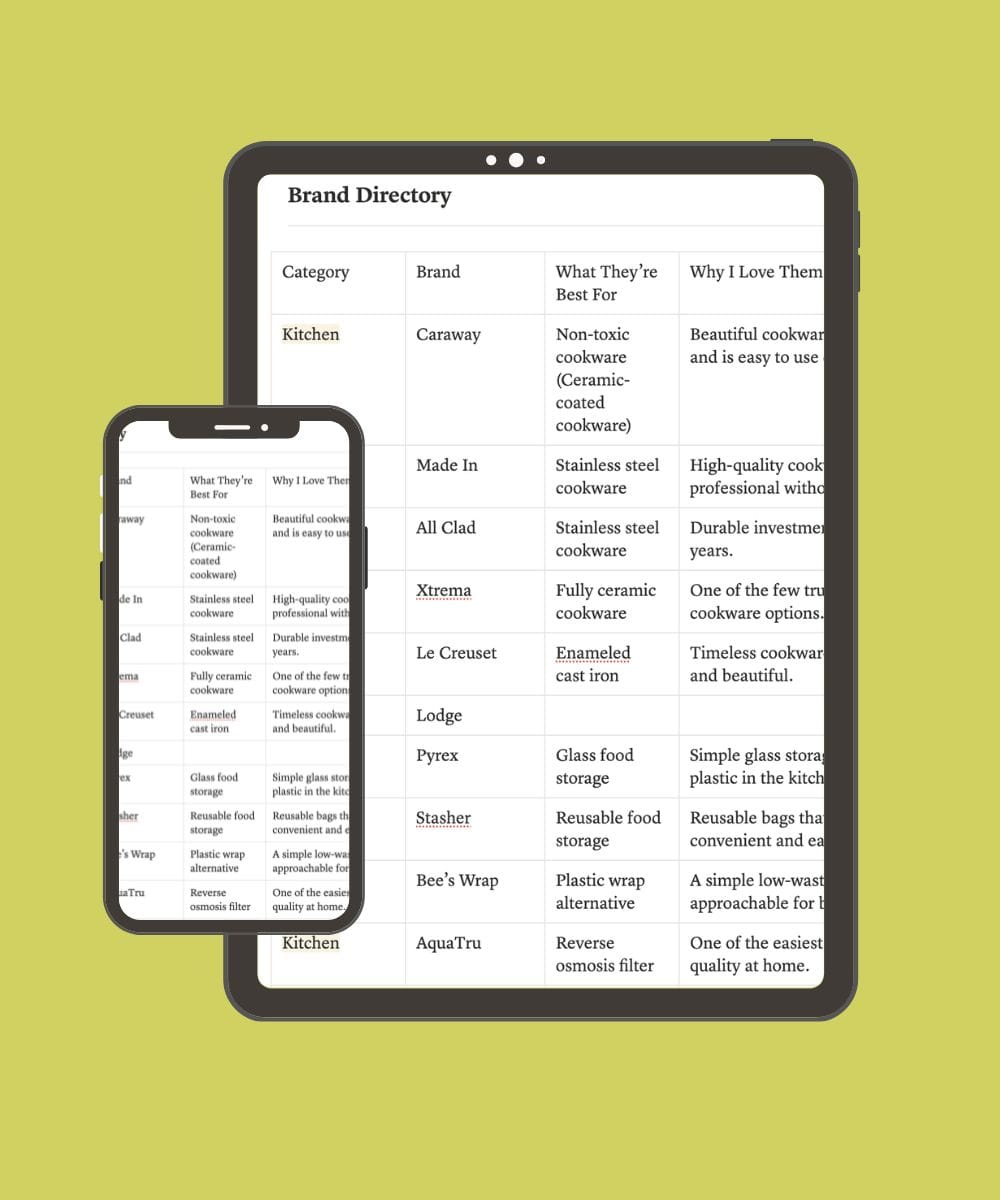
Steal my curated list of trusted non-toxic brands
Skip the overwhelm and get a carefully selected list of brands I personally use and recommend for a lower-tox home, personal care, and everyday essentials.