
14 Simple Swaps for a Healthier, Non-Toxic Bathroom
If you’re on a mission to reduce the toxins in your home, your bathroom is one of the best places to start. Between the personal care products, air fresheners, and cleaning supplies, this small space can actually be one of the biggest sources of daily chemical exposure.
But don’t worry — detoxing your bathroom doesn’t have to be overwhelming or expensive. Small, intentional swaps can add up to big changes for your health (and the environment). Let’s dive into 12 low-tox bathroom swaps you can make today that are simple, affordable, and actually work.
Why Start with the Bathroom?
Think about it: it’s the first and last place you go each day. The products you use here — toothpaste, deodorant, shampoo, toilet bowl cleaner — come into direct contact with your body or fill the air you breathe.
Swapping a few high-exposure items can seriously reduce your toxic load. Plus, many conventional products contain endocrine disruptors, allergens, or ingredients that are just plain harsh. Good news? There are so many effective, low-tox alternatives out there now.
14 Easy Low-Tox Bathroom Swaps
1. Ditch the Synthetic Fragrance
Swap: Air fresheners & artificially scented candles → Essential oil diffuser or beeswax candle
That “fresh linen” smell? It’s usually a cocktail of synthetic chemicals hiding under the word “fragrance.” Scented candles, wall diffusers and room sprays all smell lovely, but they’re really not that great for your health – especially in closed spaces like bathrooms.
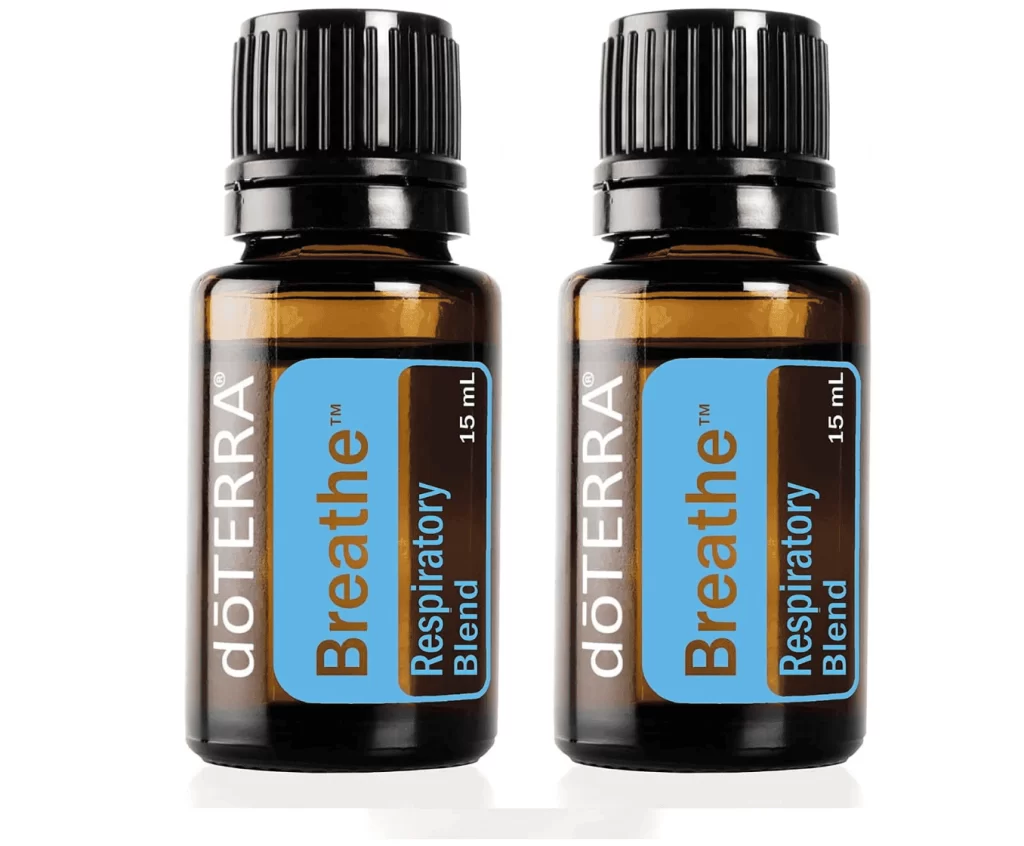
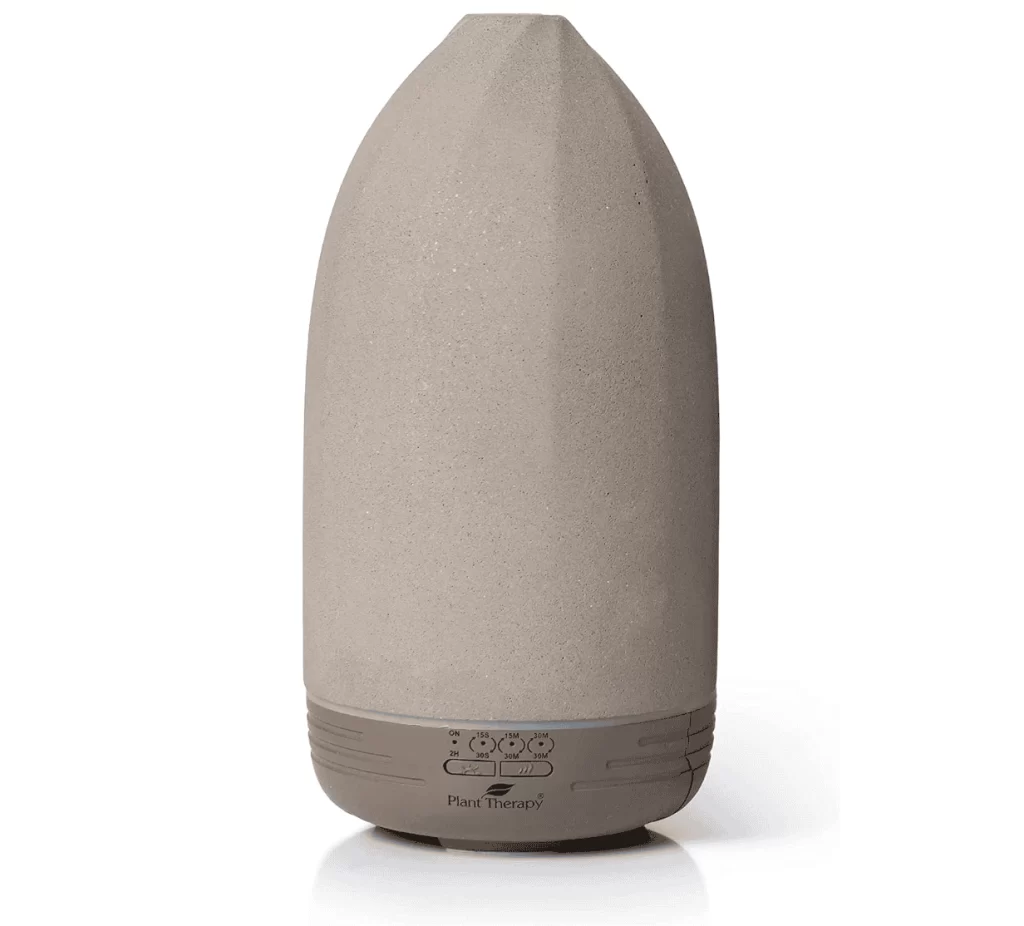
These can contribute to hormone disruption, allergies, and poor indoor air quality. Instead, try a diffuser with a few drops of essential oils like lavender or eucalyptus oil. This makes your bathroom smell like a spa without any hidden chemicals.
If you’re looking for a candle, opt for a natural beeswax candle like this Branch Basics pick or check out our list of the best low-tox candle brands.
I swapped out synthetic candles for a diffuser a couple years ago, and now my whole bathroom smells like a eucalyptus spa — total game-changer.
2. Switch to Non-Toxic Hand Soap
Swap: Conventional soap → Fragrance-free or EWG-rated soap
Hand soap is something you use multiple times a day. Look for options without parabens, sulfates, artificial dyes and fragrance.
There are several non-toxic hand soap options! A few of our favourites are the Thieves Foaming Hand Soap, Molly’s Suds Foaming Hand Soap, and the Everyone Liquid Hand Soap. All of these picks are made without any harmful ingredients, gentle on the skin, while still doing their job.
You can also just make your own DIY non-toxic hand soap! I’ve been making my own hand soap for over a year now. All it takes is three natural ingredients! It’s super easy to make, inexpensive and toxin-free. Highly recommend!
3. Upgrade Your Toothpaste
Swap: Fluoride- and SLS-laden paste → Natural mineral-based toothpaste
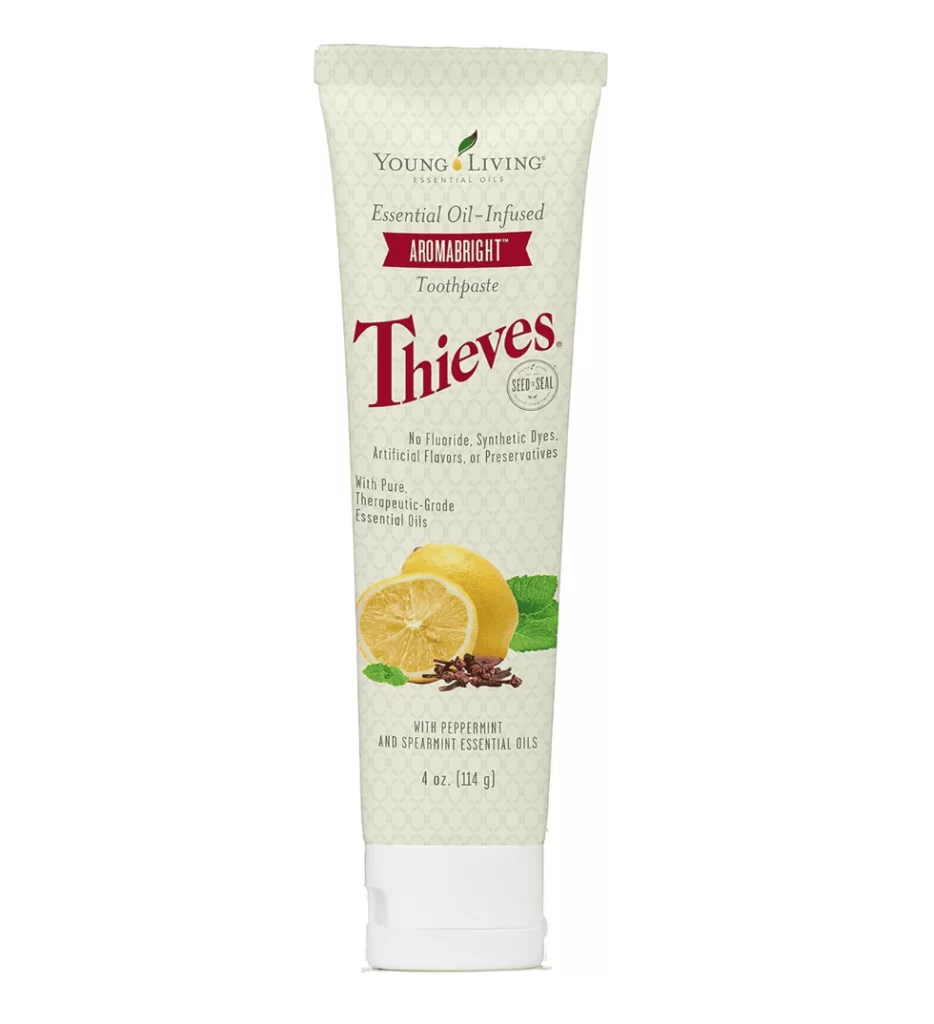
Most drugstore toothpaste contains a concoction of SLS, artificial sweeteners, dyes and fluoride (which can be controversial). Look for brands like Boka, David’s, or Dr. Bronner’s , or Thieves that use safe, gentle ingredients and remineralizing formulas.
You shouldn’t have to worry about harmful ingredients, especially when you’re using it in your mouth!
4. Choose Safer Shampoo & Conditioner
Swap: Sulfate-heavy, synthetic fragrance formulas → Non-toxic hair care
Many conventional shampoos contain harsh detergents that can strip your scalp and expose you to unnecessary chemicals like parabens and formaldehyde-releasers. Not to mention the synthetic fragrance that can be found in most conventional hair care products.
Try brands like Innersense, Avalon Organics, or 100% Pure that use clean, organic ingredients, leave your scalp and hair fresh, while also promoting hair health.
5. Go Clean with Body Wash & Soap
Swap: Colorful, fragrant body washes → Gentle, unscented bar soap or clean liquid soap
Your skin is your largest organ, and it can absorb what you put on it. Those ultra-scented body washes might smell nice in the bottle but can wreak havoc on your health. Look for unscented or essential-oil scented products with short, simple ingredient lists.
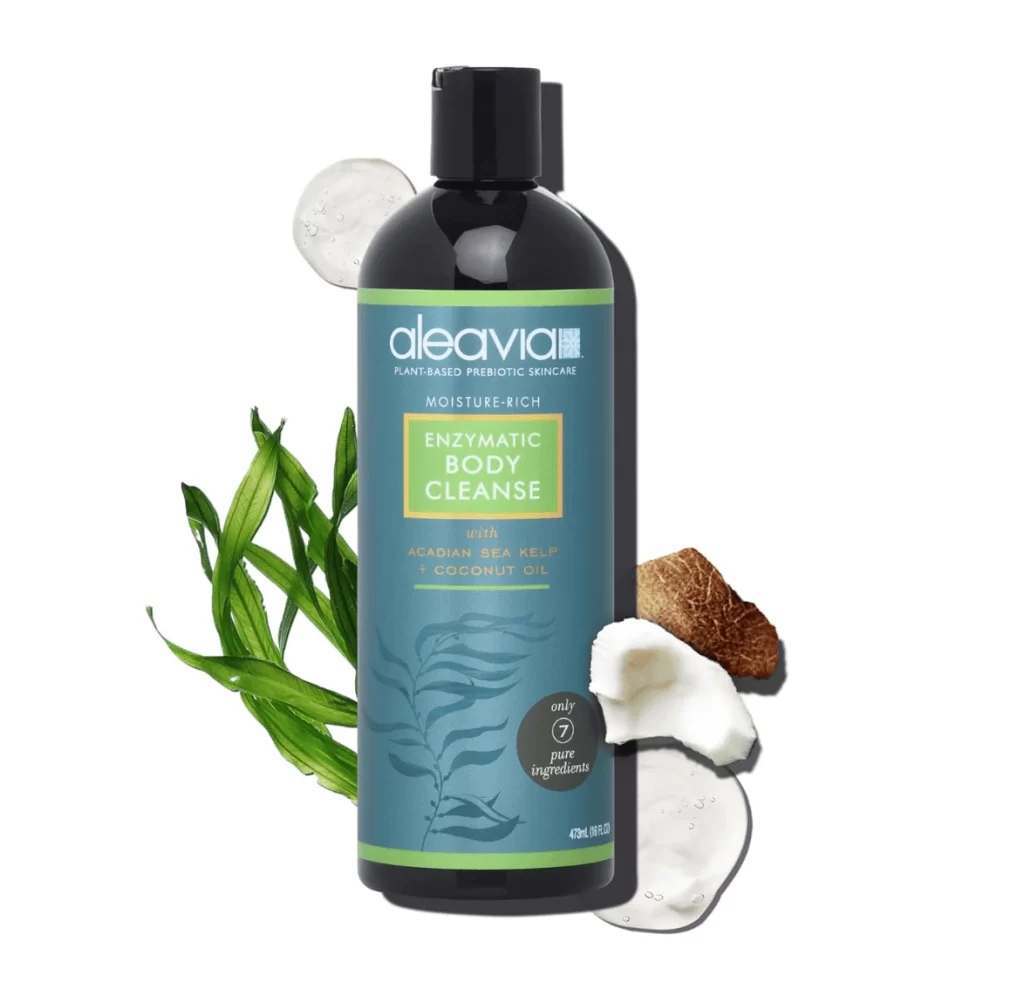
Our favourite natural and non-toxic body wash brands: 100% Pure, Alaffia, and Aleavia.
These are just a few of our faves — there are lots of great options out there!
6. Rethink Shaving Cream
Swap: Chemical foams → Aloe-based gel or clean oil
Conventional shaving foams often contain drying alcohols and synthetic fragrance. A nourishing oil or even plain aloe vera gel or non-toxic conditioner can be a better, safer option for your skin.
Our favourite non-toxic shaving foam: Be Green Bath and Body
7. Upgrade Your Toilet Cleaner
Swap: Bleach-based toilet bowl cleaners → Non-toxic toilet bowl cleaner or DIY solution
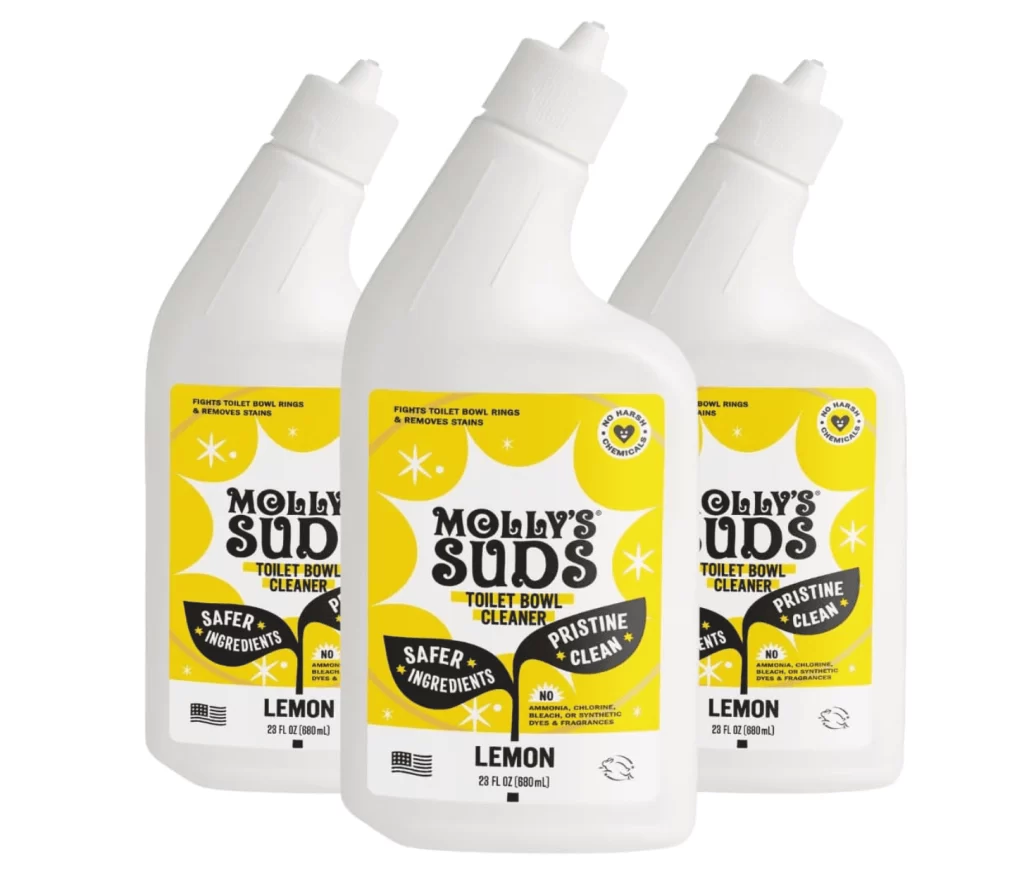
Toilet bowl cleaners are usually loaded with bleach, ammonia, or other harsh fumes. Ditch the chemical-laden products and swap for a non-toxic toilet bowl cleaner that cleans just as well without the nasties. A couple great low-tox brands are Truly Free, Molly’s Suds, or ECOS.
You can also make your own DIY cleaner with baking soda and castile soap like this recipe!
8. Safer All Purpose Cleaner
Swap: Bathroom sprays with synthetic chemicals → Non-toxic cleaning sprays or DIY surface spray
Conventional bathroom sprays are often full of chemicals and synthetic fragrance which can irritate the lungs and skin. A simple swap to a non-toxic cleaner can keep your bathroom sparkling without the side of chemical exposure.
Our favourite non-toxic bathroom cleaners: Truly Free, Molly’s Suds and ECOS.
9. Choose Better Deodorant
Swap: Aluminum-based antiperspirants → Natural deodorant
Antiperspirants block sweat by using aluminum — which many people choose to avoid due to concerns about absorption and long-term effects. Natural deodorants made with baking soda, magnesium, or clay let your body sweat safely while still controlling odour.
Low-tox tip: If you’re new to natural deodorant, give it a couple of weeks for your body to adjust! Your body will go through an ‘detox’ period when you switch to an aluminum-free deodorant.
10. Freshen Air Naturally
Swap: Plug-ins and aerosols → Open windows, houseplants, or DIY sprays
Bathrooms can get stuffy — we get it. But air fresheners are one of the worst offenders for indoor air pollution. Open your windows to get fresh air into your home daily, add air-purifying plants like peace lily’s or snake plants, or mix your own room spray with water and natural essential oils.
Instead of trying to mask odours with synthetic fragrances, refresh your space with fresh air and a spa-like vibe with essential oils (plus, it doubles as aromatherapy!).
11. Be Choosy with Lotions & Moisturizers
Swap: Heavily scented lotions → Natural body oils or clean lotions
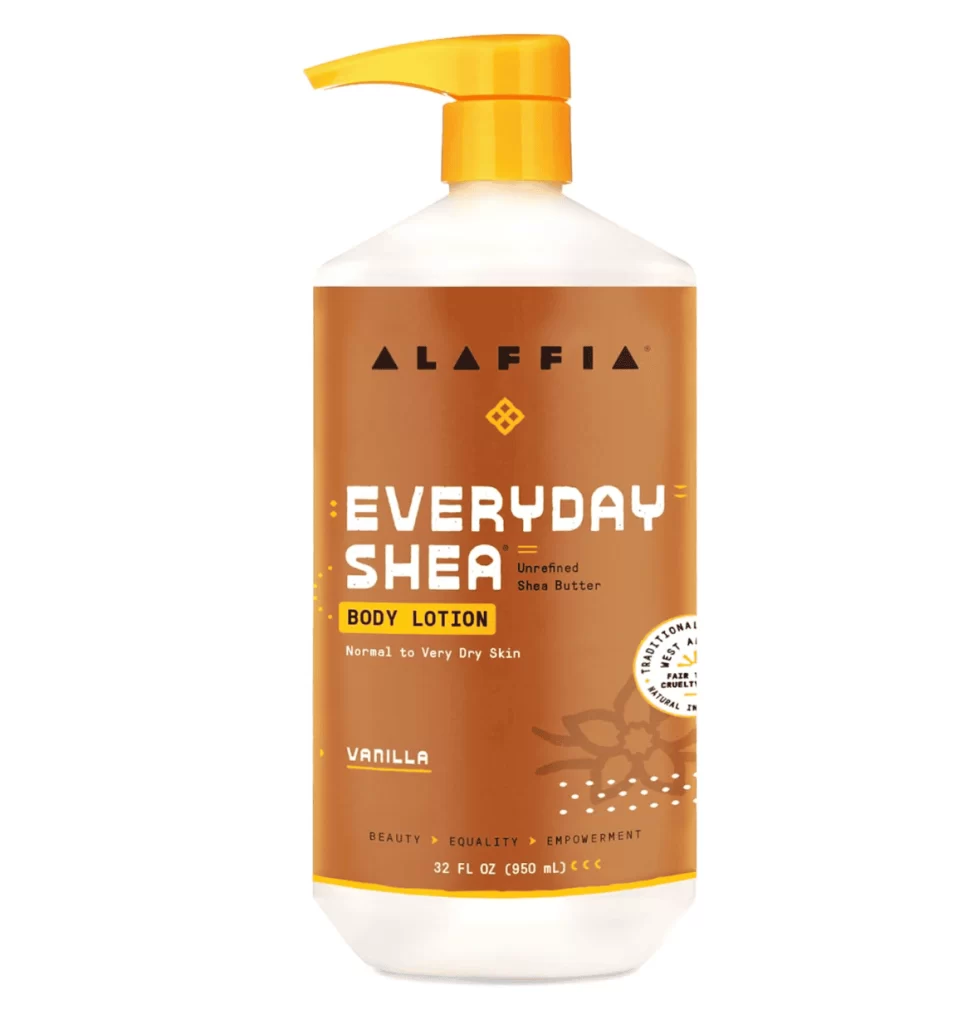
Many lotions contain hormone-disrupting ingredients like parabens, PEGs, and synthetic fragrance. Look for brands that are EWG-verified or made with oils like jojoba, almond, or shea butter. Our favourite non-toxic lotions and body creams: 100% Pure, Alaffia, and Everyone.
Body care doesn’t have to be complicated. Often times less is more. Natural ingredients like tallow, shea butter and jojoba oil are all your skin needs to stay hydrated!
12. Reevaluate Feminine Care Products
Swap: Conventional tampons/pads → Organic cotton or reusable options
Most store-brand feminine care products are made with bleached cotton and can contain trace pesticides or synthetic materials. Because these products are used in such a delicate and highly absorbent area, choosing materials that are free from toxins, dyes, and synthetic fragrances is especially important for your health.
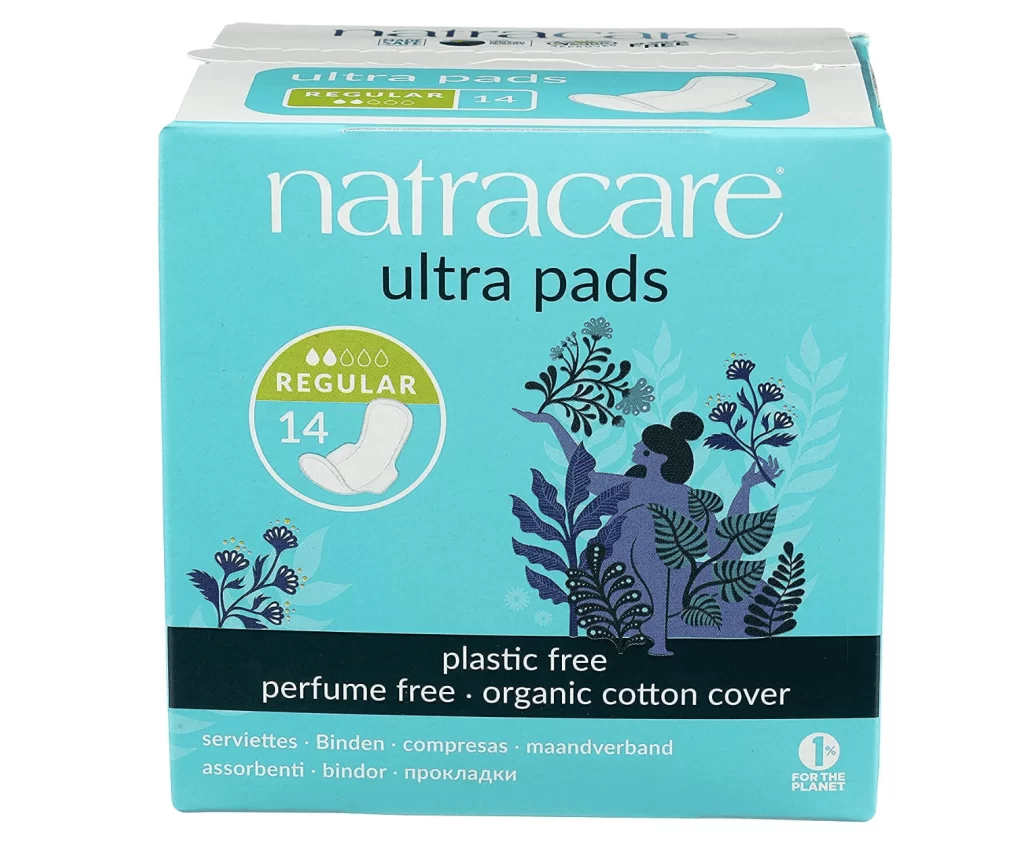
Try organic brands like Cora, Natracare, and Rael or try reusable options like menstrual cups.
13. Swap Out Your Shower Curtain
Swap: PVC shower curtain → PEVA, organic cotton, or hemp
PVC (polyvinyl chloride) shower curtains are a sneaky source of toxins — they often release off-gassing chemicals like phthalates and VOCs (volatile organic compounds) that can linger in your bathroom air. And since your shower is a warm, steamy environment, those chemicals are more easily inhaled.
Instead, opt for a low-tox option made from PEVA, EVA, organic cotton, or hemp. These materials are free from chlorine, more breathable, and safer for you and your indoor air. (Bonus: They look way nicer, too!).
14. Upgrade to Organic Cotton Towels
Swap: Conventional towels → Organic, undyed, or OEKO-TEX® certified cotton towels
Towels touch your skin every single day — often when your pores are open after a warm shower — so the materials they’re made from really matter.
Many conventional towels are treated with chemical dyes, softeners, or even flame retardants, which can linger long after you buy them.
Instead, look for organic cotton or OEKO-TEX® certified options that are free from harmful substances. Bonus: they’re often softer and more absorbent over time, and they tend to last longer with proper care.
Final Thoughts: It Doesn’t Have to Be All or Nothing
If you’re feeling overwhelmed, remember — this is a journey, not a sprint. You don’t need to throw out everything in your bathroom today. Just start with one or two swaps, and build from there as you run out of your current products.
Each low-tox swap is a vote for a healthier body, a safer home, and a more conscious lifestyle. You’re doing great just by being aware and taking steps in the right direction. 💚
Where to Find Low-Tox Products
- Health stores: Whole Foods, Trader Joes, Health Planet, Local Health Stores
- Online: Nourished Life, Biome, iHerb, Detox Market
- DIY ingredients: Bulk stores, markets