Non Toxic Bakeware: Safe Materials for Baking at Home
Okay, real talk—baking is supposed to be fun, but a lot of bakeware out there is… well, kind of sketchy. Some of it can leach chemicals into your food when it gets hot, and honestly, who wants to worry about chemicals leaching into their food? Not us.
That’s why I put together this guide to non-toxic bakeware—all the safest materials that actually let you bake without stressing about what’s sneaking into your brownies or bread. I’ll show you what to look for, what to skip, and my favourite picks that are not just safe, but practical and reliable.
Why Non-Toxic Bakeware Actually Matters
You might be thinking, “It’s just a baking sheet… does it really matter?” And the short answer: yes. Even if your oven is doing all the work, some bakeware—especially cheap “non-stick” or coated pans—can release chemicals when heated. Over time, with damage and regular use those chemicals can sneak into your food.
Using safe, non-toxic bakeware isn’t just about avoiding weird chemicals—it’s about peace of mind. You get to bake freely, eat what you make, and actually enjoy your treats without a second thought. Plus, high-quality, non-toxic bakeware usually lasts longer, heats more evenly, and honestly will probably save you money in the long run.
So whether you’re a cookies-and-cake kind of baker or more of a bread-and-casserole person, choosing the right bakeware is a small change that makes a big difference.
What Is Non-Toxic Cookware?
Before we dive into which materials to look for and which to avoid, what does non-toxic cookware really mean? Fair question.
Basically, it means bakeware made from materials that won’t leach harmful chemicals into your food, even when they’re in a hot oven. No sneaky coatings, no heavy metals, no mysterious additives—just materials that are safe for cooking and eating.
Here’s the gist:
- Safe materials are high-quality, non-reactive, and won’t break down under heat. Think glass, ceramic, stainless steel, and properly seasoned cast iron.
- Materials to watch out for include traditional non-stick pans with PTFE/Teflon, PFAS/PFOA coatings, and cheap aluminum or coated metals. These can release chemicals when they get hot—if you want the full breakdown of non-toxic cookware materials & what to avoid, check out my detailed guide.
- Certification matters: Some brands label their products as “PFOA-free” or “PFAS-free,” which is good—but double-check that their materials are actually fully non-toxic and oven-safe. If a brand isn’t transparent with their materials and doesn’t provide third-party safety testing, skip it.
Bottomline, non-toxic bakeware is stuff you can bake in that won’t pick up unwanted chemicals and extras.
Safe Bakeware Materials
Now that you know what “non-toxic” means, let’s talk about materials to look for when shopping for healthier bakeware.
1. Glass (Tempered or Borosilicate)
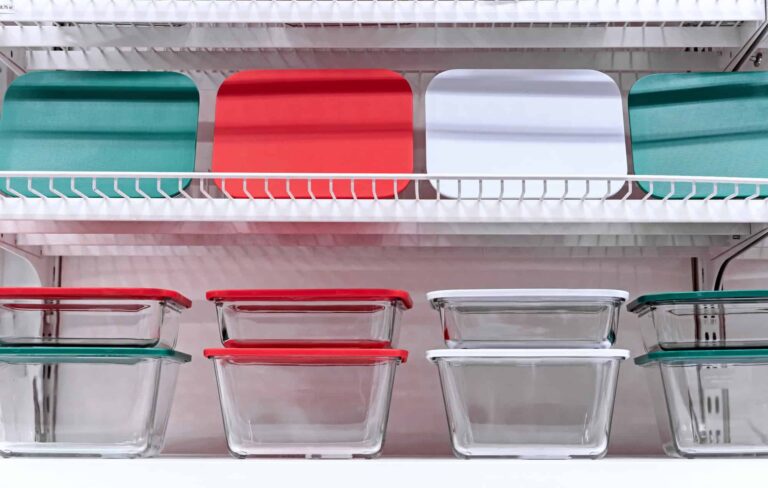
Glass is a classic for a reason—it doesn’t react with your food and won’t leach anything harmful. It’s perfect for casseroles, pies, brownies, or anything you want to keep an eye on while it bakes. Just make sure you choose tempered or borosilicate glass so it can handle high oven temperatures without cracking.
2. Ceramic (100% Clay, PFAS-Free Glaze)
Ceramic bakeware is not only beautiful, it’s safe and non-reactive. High-quality ceramic with a PFAS-free glaze won’t leach chemicals, and it heats evenly for perfect baking. Bonus: it often doubles as serving dishes, so your table looks as good as your baked goods taste.
3. Stainless Steel (Food-Grade, Uncoated)
Stainless steel is durable, non-reactive, and easy to clean. It’s great for roasting pans, cookie sheets, or any bakeware that doesn’t need a non-stick coating. Ideally, look for 18/10 or 18/8 stainless steel—these numbers mean it’s high-quality, food-safe, and built to last.
4. Cast Iron (Seasoned or Enameled)
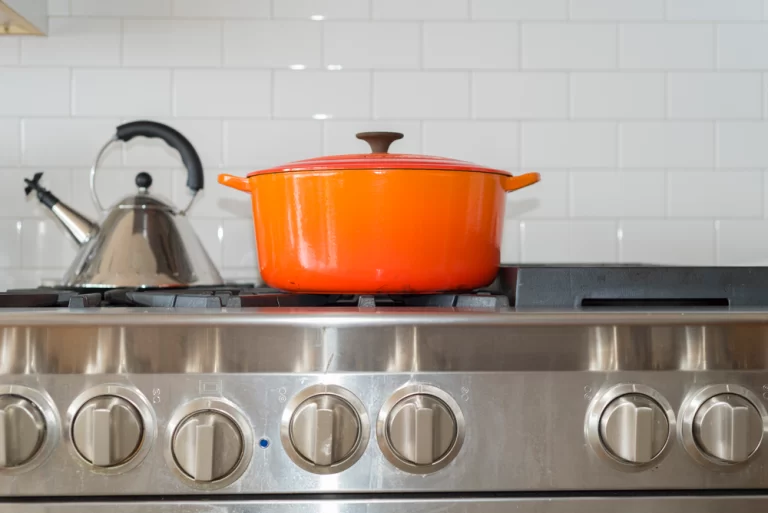
Cast iron is a kitchen staple. Properly seasoned cast iron is naturally non-stick and safe. Enameled cast iron is also a great choice—just make sure the enamel is intact and free from chips. Perfect for skillet cakes, bread, or deep-dish recipes.
These four materials are your go-to for worry-free baking. When shopping for bakeware just make sure to double check the materials and composition. Greenwashing is definitely also seen in the cookware/bakeware scene, too!
Best Non-Toxic Bakeware Picks
Here are some of my favorite non-toxic bakeware options for each of the safe materials we just talked about. I’ve included options for different budgets and uses.
For even more ideas, you can see my full list of best non-toxic cookware brands with safe, versatile pieces that double as bakeware.
Glass
- Pyrex 3-Piece Glass Baking Dish Set – Oven-safe, durable, and super practical for everyday baking.
- Libbey 5-Piece Glass Bakeware Set – Versatile, simple, and built to last.
- Anchor Hocking 10-Piece Essentials Bake Set – Classic, reliable, and dishwasher-safe.
Tip: Look for tempered or borosilicate glass to avoid cracking under high heat.
Ceramic
- Caraway 11-Piece Ceramic Bakeware Set – PFAS-free, non-toxic, and honestly gorgeous for both baking and serving.
- Emilie Henry Ceramic Round Dutch Oven – High-quality, durable, and versatile.
- Emile Henry Ceramic Loaf Pan – Perfect for bread, meatloaf, or even a small cake.
Tip: Make sure the ceramic is high-fired and the glaze is labeled PFAS-free.
Stainless Steel
- All-Clad Stainless Steel Baking Sheet Pan– Heavy-duty, flat, and built to last.
- Hestan 5-Piece Stainless Steel Baking Set – High quality, do-it-all set.
- Hestan 3-Piece Stainless Steel Baking Sheets – Lightweight, budget-friendly, and perfect for cookies or sheet cakes.
Tip: Stick with uncoated, food-grade 18/8 or 18/10 stainless steel to keep it truly non-toxic.
Cast Iron & Enameled Cast Iron
- Lodge Cast Iron Skillet – Pre-seasoned, naturally non-stick, and lasts forever.
- Le Creuset Enameled Cast Iron Dutch Oven – Beautiful, safe, and ideal for baked casseroles or bread.
- Caraway Enameled Cast Iron Skillet – High-quality, oven-to-table ready, and chip-resistant.
7 Tips for Choosing Non-Toxic Bakeware
Having a hard time choosing bakeware? Here’s a simple checklist to help you out:
- Check the material – Stick with glass, ceramic (PFAS-free), stainless steel, or cast iron.
- Skip non-stick coatings – Traditional Teflon or other chemical coatings can release toxins when heated or scratched.
- Look for labels – PFAS-free, PFOA-free, lead-free glazes, and food-grade markings are all good signs.
- Invest in quality – Cheaper bakeware may have hidden chemicals or uneven heating. A small upfront investment can save you worry and money later.
- Mind the enamel – If you’re using enameled cast iron, make sure the enamel is smooth and intact—no chips!
- Think about your baking style – Sheet pans, loaf pans, casseroles, skillets—pick the materials that work best for the recipes you actually make. You really don’t need a ton of different bakeware, a couple of items should be enough for most baking.
- Avoid reactive metals – Aluminum and copper can react with acidic foods unless properly lined or coated.
Fun, Safe Baking
Baking at home should be fun, not stressful—or toxic. Choosing the right bakeware doesn’t have to be complicated: stick with glass, ceramic, stainless steel, or cast iron, skip the chemical-coated non-stick stuff, and you’ll be good to go. And once your goodies are out of the oven, storing them safely is just as important—check out my guide to plastic-free food storage options for the safest way to keep leftovers fresh without the toxins.
With just a few high-quality, non-toxic pieces in your kitchen, you can whip up everything from cookies to casseroles without worrying about what’s sneaking into your food. And honestly, baking becomes even more enjoyable when you know it’s safe for you—and anyone you’re feeding.