
How to Detox Your Laundry Routine Without Complicating Your Life
Switching to a low-tox laundry routine might seem like a small step, but it’s one that can make a huge difference for your health, your home, and the planet. If you’ve ever been overwhelmed by the chemical-heavy world of conventional laundry products (and their impossible-to-pronounce ingredient lists), you’re not alone.
This guide will walk you through simple, practical swaps you can make—starting with the most important products first—to help detox your laundry routine and create a cleaner, more conscious home.
Why Go Low-Tox in the Laundry Room?
Before we dive into the how, let’s quickly talk about the why. Conventional laundry products are often loaded with synthetic fragrances, dyes, optical brighteners, and preservatives that can irritate your skin, mess with your hormones, and pollute waterways. And because we wear clothes every day (obviously), it’s a constant, low-level exposure we often don’t think about.
If you’re just starting in your low-tox journey, I truly think the laundry room is one of the best places to start because it’s a couple of easy swaps that significantly reduce your daily toxin exposure.
I think a lot of people worry that going low-tox will mean sacrificing clean clothes but don’t worry! There are tons of great low-tox laundry options available that clean just as well without the hidden chemicals.
Step 1: Detox Your Detergent
Choose a Truly Clean Detergent
Most people probably don’t give their laundry detergent a second thought as long as it cleans their clothes. Right? And I get it, that’s kind of the whole point. As long as it leaves your clothes clean and fresh, who cares?
Well, the unfortunate reality is that many conventional laundry detergents are chemical concoctions, often using ingredients that really aren’t great for your health or the environment. There are several ingredients to avoid, but some of the biggest offenders to avoid are synthetic fragrance, SLS/SLES, optical brighteners, quats and formaldehyde.
And because we wear clothes everyday for long periods of time, you definitely don’t want to be exposed to these chemicals (through inhalation or direct contact with your skin) for several hours a day, everyday.
Laundry detergent should clean your clothes without being a risk to your health. So, on your hunt for a low-tox laundry detergent here’s what you’ll want to look for:
- Fragrance-free or naturally scented (with essential oils)
- Free from SLS/SLES, phosphates, dyes, and synthetic preservatives
- Packaged in recyclable or refillable containers
- Biodegradable
Some of our low-tox favourites:
- Branch Basics (super versatile)
- Molly’s Suds
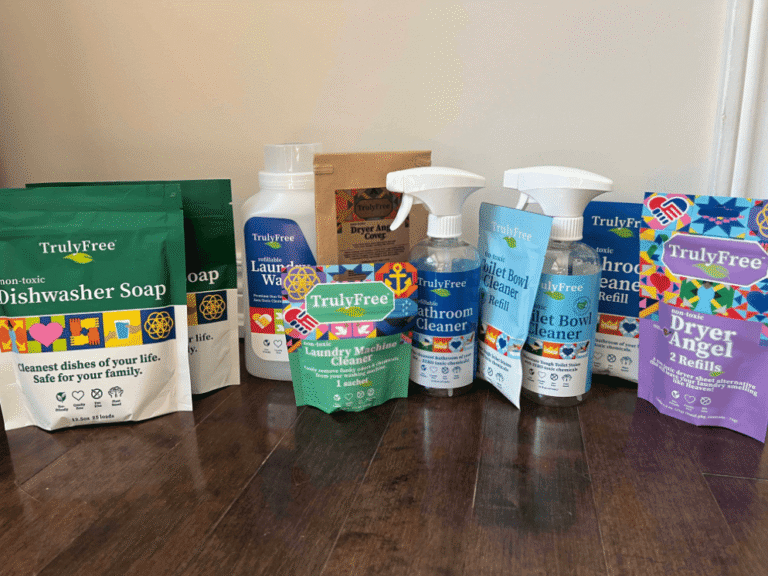
- Truly Free
- Meliora
- Eco Nuts (soap berries!)
DIY Option
If you’re into DIY, you can even make your own laundry detergent with washing soda, baking soda, and castile soap. It’s easier than it sounds and super customizable. Dr. Bronner’s offers naturally scented Castile soap options such as peppermint, lavender and orange (and unscented!) so you can customize your detergent to a scent you love! It’s a great non-toxic, inexpensive option.
Step 2: Soften Naturally
Skip the Fabric Softener
Okay, I really don’t believe in fabric softeners in the first place (waste of money in my opinion), but traditional fabric softeners are basically chemical soup. They coat your clothes in a layer of artificial fragrance and waxy residue.
These synthetic fragrances can off-gas throughout the day which can cause irritation and other symptoms such as headaches, eye and nose irritation and allergies. Plus, the ingredients often coat the fibres of your clothes, making it “feel” soft, but overtime it prevents your clothes from truly coming out clean…
Natural Alternatives
Instead of using chemical softeners, opt for a natural alternative such as:
- White vinegar in the rinse cycle helps soften fabrics and reduce static.
- Wool dryer balls (more on those in a sec!) also help keep clothes soft without anything extra ingredients.
Step 3: Ditch the Dryer Sheets
Why They’re a No-Go
Similar to softeners, dryer sheets are usually packed with synthetic fragrance and VOCs (volatile organic compounds). Not great for your lungs—or your clothes. Just like with synthetically scented detergents and softeners, you don’t want to be smelling those irritants all day or having the sit against your skin.
Try These Instead
- Wool dryer balls: A reusable, eco-friendly swap that fluffs clothes, reduces drying time, and helps with static.
- Add a few drops of essential oil (like lavender or lemon) to the balls if you love a little scent.
- DIY Reusable Dryer Sheets: Budget-friendly, reusable sheets that you can make at home.
Step 4: Spot Treatment and Stain Removers
Go Gentle on Stains
You don’t need harsh chemicals to get rid of tough stains! There are many low-tox ways to tackle stains using pantry staples you likely already have at home.
Try these instead:
- Baking soda paste for oil or grease
- Hydrogen peroxide and castile soap combo for protein-based stains (blood, sweat)
- Lemon juice and sun for natural whitening
For stains that need a little bit of extra cleaning power, there are several low-tox stain sprays and sticks that work great like:
- Puracy
- Meliora
- Branch Basics OxyBoost
- The Simply Co.
My personal favourite is Branch Basics OxyBoost! I’ve used it on dozens of stains at this point, from sweat to food to grass stains, it always gets the stain out. Recently, I returned from a trip and my new red dress had seeped colour onto my beige linen shorts. I was so upset (my favourite pair of shorts!). Nothing worked, except OxyBoost. Two days of soaking and my shorts were just like new. (I could actually cry).
Long story short, it’s become a permanent staple in my stain kit.
Step 5: Wash Smarter, Not Harder
Tips for a Low-Tox Laundry Routine
- Avoid overloading your washer—clothes need room to get clean.
- Air dry when you can—it saves energy and is gentler on your clothes.
- Dry in the sun – the sun has natural sanitizing properties (UV rays help kill bacteria), can help brighten stains and whites and leaves it smelling fresh.
Step 6: Don’t Forget About Your Washing Machine
Yes, Your Washer Needs Love Too
One of the biggest complaints I hear when people try a low-tox detergent is that their clothes smell off. But, often times its not the detergent, it’s your actual machine. Even the cleanest machines can build up grime, soap scum, mold and mildew which can make your laundry smell “off”.
How to Clean It Naturally
- Run a hot cycle with white vinegar and baking soda once a month.
- Leave the door open after washes to help air it out.
- Wipe the seal regularly, especially on front-loaders.
Bonus: Rethink Fabric Choices
Have you ever noticed that when you wear certain fabrics they always seem to smell like sweat or they just smell “off” no matter how many times you wash them?
Synthetic fabrics are made from petroleum-based fibers that are hydrophobic (they repel water) but attract oils like sweat, body oils, and deodorants. Once oils get trapped in these fibers, odor-causing bacteria can grow and stay put, even after multiple washes.
A lot of mainstream detergents contain fragrance and softeners that coat clothes instead of actually removing the stink. So while your clothes might smell clean right out of the dryer, that fake-fresh scent fades fast — and the underlying funk comes back.
Unlike natural fibers (like cotton or linen), synthetics trap heat and moisture close to your body, creating a perfect sweaty environment for bacteria to thrive. So even a slightly sweaty day can reactivate old odors.
Plus, did you know synthetic fabrics (like polyester and acrylic) shed microplastics in the wash? Whenever you can, opt for:
- Natural fibers like organic cotton, hemp, or linen
- GOTS-certified textiles for extra peace of mind