How to Detox Your Bedroom for Better Sleep
WRITTEN BY: TESS • July 22, 2025
If you’re working toward a low-tox home, your bedroom is one of the most powerful places to start.
We spend roughly one-third of our lives sleeping — breathing in the air around us, resting on our mattresses, and allowing our bodies to repair and reset. During sleep, your body is busy regulating hormones, supporting immune function, detoxifying, and restoring energy. The environment you sleep in plays a much bigger role in your overall health than most people realize.
Creating a low-tox bedroom doesn’t have to be overwhelming or expensive. With a few intentional swaps and simple swaps, you can turn your bedroom into a space that truly supports deeper sleep, balanced hormones, and long-term wellness.
Let’s walk through it.
Low Tox Bedroom Essentials










1. Start with the Air You Breathe
I think one of the best places to start is with your indoor air quality (a.k.a the air you breathe at home). You may not see it but furniture, conventional mattresses, candles, air fresheners can all off-gas chemicals that pollute and worsen your indoor air quality.
There are a couple of ways you can improve your bedroom air quality, and you can start today!
Bring in Fresh Air
This one is kind of a no-brainer, but bring fresh air into your bedroom every day. Upon waking up, open your windows and allow fresh air in! It’s such a simple but impactful way to remove pollutants and bring in some clean, fresh air.
Skip the Artificial Scents
That “fresh linen” smell from your candles, wall plug-ins, and room sprays might smell yummy — but these scents often come from synthetic fragrance, which is a very vague term that can include hundreds to thousands of undisclosed chemicals. Many of these are linked to hormone disruption, respiratory irritation, headaches, nausea and poor indoor air quality.
Here’s the game plan:
- Ditch the wall plugs, artificial candles, room sprays and whatever other scented products you may have
And make these swaps instead:
- Choose non-toxic candles made from 100% beeswax or soy with cotton or wood wicks — no synthetic fragrance
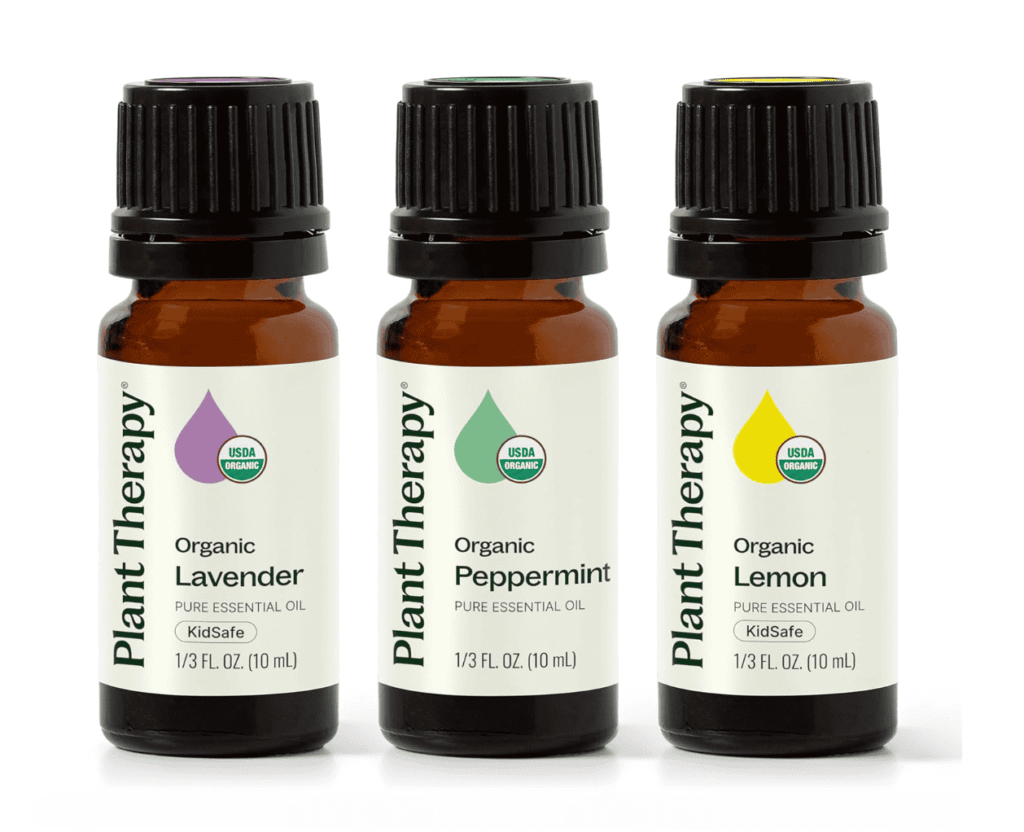
- Use a diffuser with natural essential oils
- Make a homemade room spray
15 non-toxic candle brands for a cozy bedroom
Add Air-Purifying Plants
Did you know there are plants that can help filter and purify your air? While houseplants won’t replace proper ventilation or an air purifier, some studies suggest they may help absorb small amounts of indoor pollutants (such as formaldehyde, benzene and trichloroethylene) — and they absolutely support mental well-being.
Some of the best air purifying plants are:
- Snake plant
- Spider plant
- Peace lily
- Rubber plant
- Aloe vera
- English ivy
- Golden pothos
- Bamboo palm
- Dracaena
The best part is all of these plants are pretty low-maintenance (for those of you who are like me and have trouble keeping plants happy). Plus, bringing a little greenery into your space is great for your mental health too!
Invest In An Air Purifier
If you live in a large city or in an area with more automotive pollution, another option to help remove toxins, dust, dander and other irritants from your air is by investing in a HEPA-filter air purifier.
These are high-quality machines that filter and clean your bedroom air. Two of the best air purifiers on the market right now are the Air Doctor, Jaspr and Blueair.
2. Switch to Clean Bedding & An Organic Mattress
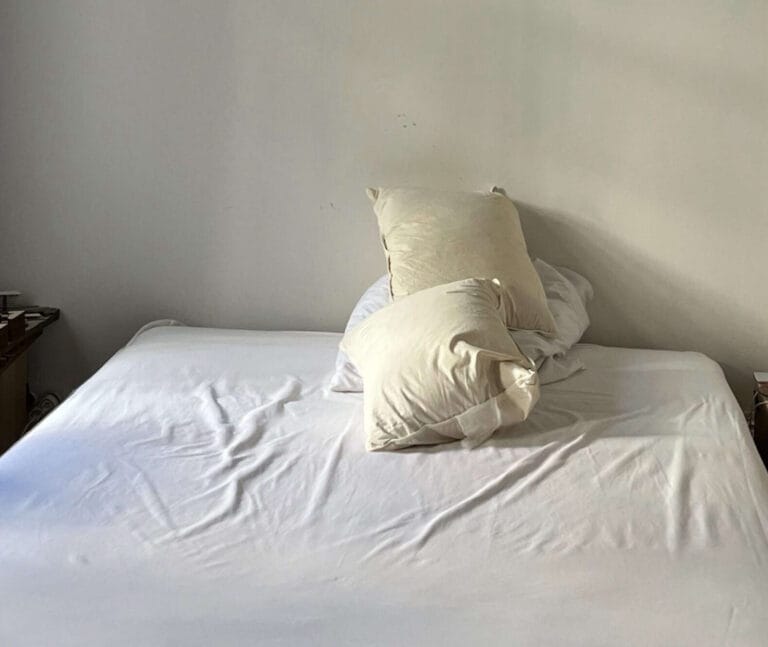
Second most important on this list – your actual sleep space! You spend roughly 1/3 of your life in bed, so not only should it be comfortable and cozy but also safe and supportive of your health.
Non-Toxic Mattress
Conventional mattresses are often made with polyurethane foam and treated with flame retardants, which can off-gas VOCs for years. Many flame retardants and VOCs have been studied for their potential role in hormone disruption and respiratory irritation — especially in poorly ventilated indoor spaces.
Mattresses are an investment (trust me, I get it) so you don’t need to panic and replace your mattress immediately (unless you want to!). But, when you do get to the point of replacing your mattress it’s the perfect time to also invest in your health and opt for an organic mattress.
Organic mattresses are strictly made only from natural latex, organic cotton or wool. No synthetic foams, no flame retardants, and no adhesives or glues. Plus, organic mattress brands come with additional safety and quality certifications like GOTS or GOLS, MADE SAFE and GREENGUARD Gold.
READ: 11 best Non-toxic mattress brands
If you can’t replace your mattress just yet, that’s okay! There are still several things you can do to help reduce your exposure like:
- Vacuuming your mattress regularly (with a HEPA-filter vacuum is best)
- Use an organic cotton mattress cover
- Add an organic latex or wool mattress topper to create a barrier
Switch to Organic Bedding
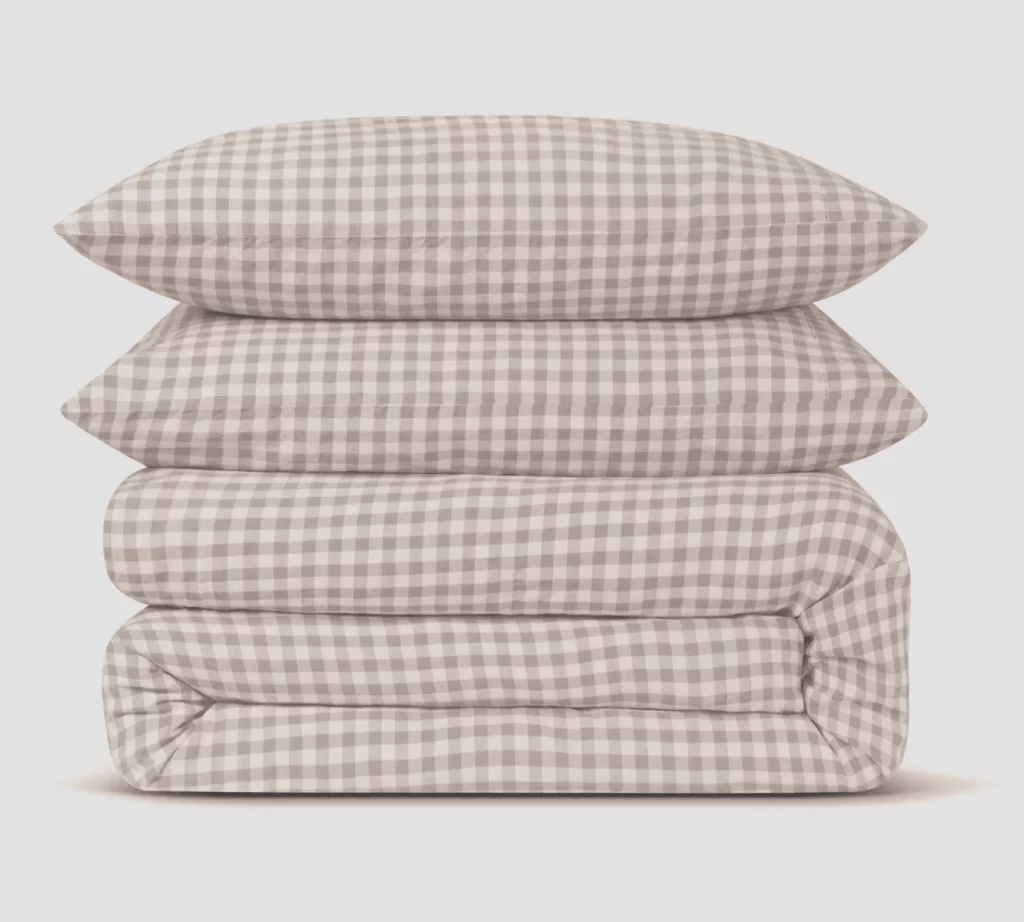
Your skin is in direct contact with your bedding all night long, so the materials matter. Swap synthetic and chemically-treated sheets (such as polyester) for organic cotton or linen.
Cotton and linen are both breathable, naturally moisture-wicking. Plus, they usually aren’t drenched in dyes, flame retardants or other chemicals.
When shopping for non-toxic bedding, look for OEKO-TEX or GOTS certifications to make sure they’re free from harmful dyes, pesticides, or finishing agents.
I’ve written a whole post on my favourite non-toxic bedding brands that are truly organic, high-quality and free from harmful materials and chemicals.
READ: 12 non-toxic bedding brands worth your money
3. Furniture & Rugs
Off-Gassing Furniture
If your bedroom furniture is made from particleboard, MDF, or laminate, it’s likely off-gassing formaldehyde or other VOCs — especially when new. When possible, choose solid wood furniture with a natural or low-VOC finish.
Furniture is a little tricky because companies don’t really have to list all of the materials used on/in their pieces so the best thing you can do is air out any new furniture pieces in a well-ventilated space (or even outside) for a few days before moving them into your bedroom.
Choose Natural Rugs
Rugs can trap dust, allergens, and off-gas synthetic chemicals depending on the materials and backing. Choose rugs made from natural fibers like wool, jute, or organic cotton, and avoid synthetic rubber backings.
Some of my favourite natural rug brands:
Look for rugs with certifications like GOTS or GoodWeave if you can — and vacuum regularly with a HEPA-filter vacuum.
The Ultimate Beginner’s Guide to a Low-Tox Home
4. Detox Your Cleaning and Laundry Products
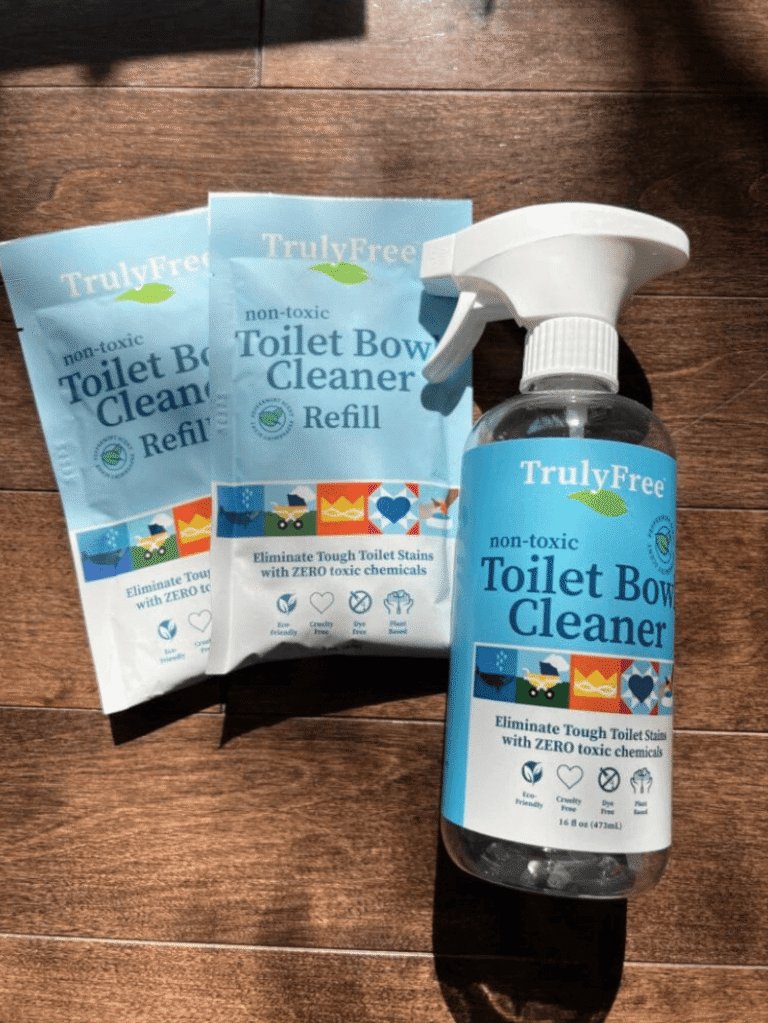
Switch to Low-Tox Cleaning Products
Harsh cleaning sprays might smell “clean,” but they often contain ammonia, chlorine, and synthetic fragrance — not ideal for the place you go to rest and recharge.
Switch to gentle, non-toxic cleaners that get the job done without the chemical load.
My all-time favourite cleaning brands that I use in my own home:
Check out The Reset List for a list of all of my favourite non-toxic cleaning picks.
Laundry Detergent
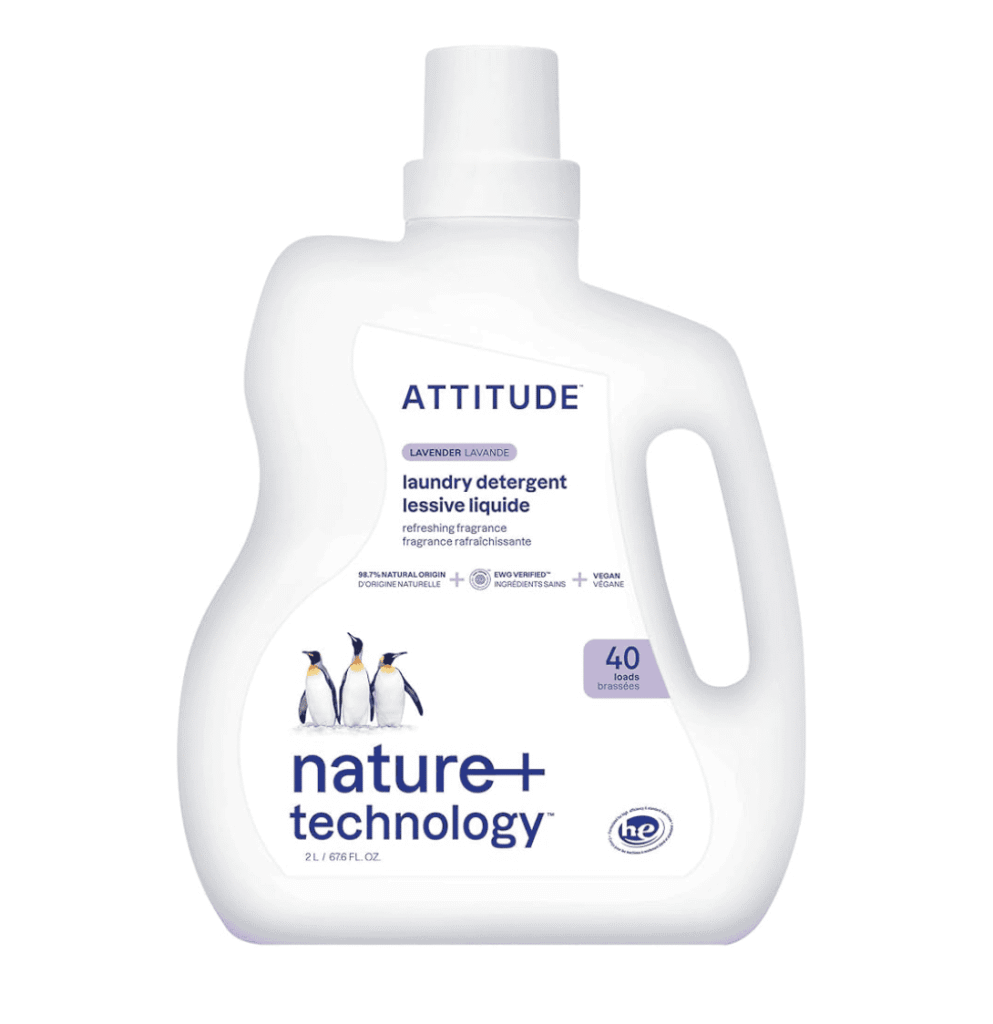
Your bedding and pajamas sit against your skin for hours at night, so what you wash them in matters. Conventional laundry detergents often contain artificial fragrance, optical brighteners, harsh surfactants and other nasty ingredients.
Instead, try a low-tox laundry detergent. Better for your skin, your sleep quality, and the environment.
top 5 non-toxic laundry detergents that actually work
Steal my curated list of trusted non-toxic brands
Skip the overwhelm and get a carefully selected list of brands I personally use and recommend for a lower-tox home, personal care, and everyday essentials.

5. Create a Calming, Tech-Free Sleep Sanctuary
Reduce Blue Light & EMF Exposure
Electronics in the bedroom — phones, TVs, Wi-Fi routers — emit blue light and electromagnetic fields (EMFs), both of which can disrupt melatonin production and worsen sleep quality.
Try putting your phone on airplane mode or charging it in another room overnight. Switch to a good old-fashioned alarm clock, and keep screens out of the bedroom if you can.
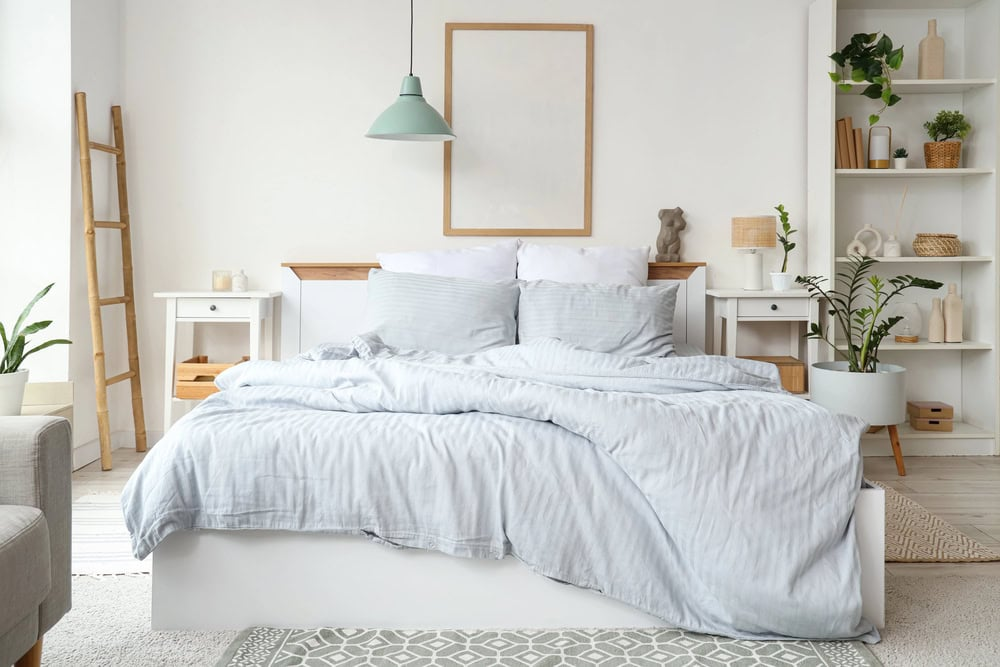
Keep it Clutter-Free
Visual clutter can lead to mental clutter, making it harder to wind down. A tidy, minimalist bedroom helps create a calm, restful vibe.
6. Upgrade a Few Everyday Basics
If you have a bedroom ensuite, this is basically an extension of your bedroom.
Shower Curtain
Many vinyl or plastic shower curtains contain PVC and phthalates, which can off-gas harmful chemicals — especially in small, steamy spaces like bathrooms connected to your bedroom.
Swap it out for a natural fabric option made from organic cotton, linen, or PEVA (a safer plastic alternative).
Natural Material Rug
Just like bedroom rugs, synthetic bathroom rugs can trap dust and off-gas VOCs. Plus, a lot of synthetic materials have very poor drying ability, and trapped moisture can cause mold to grow.
Choose a rug made from natural materials like wool, jute, or organic cotton.
Consider Your Towels & Pajamas Too
You probably don’t think twice about your towels or pajamas — but these are both things that touch your skin every day. Choose towels made from organic cotton and PJs made with breathable, non-toxic fabrics like organic cotton, linen or bamboo. Soft and skin-safe!
I’ve written a whole post on the very best non-toxic PJ brands, so take a look if you need some new ones!
Bonus Tips for Better Sleep
Aside from detoxing your bedroom here are some extra tips for better, more restful sleep.
- Blackout curtains to block artificial light
- Keep the room cool – between 16–19°C (60–67°F) is ideal
- Run an air purifier if you struggle with dust or allergies
- Use a magnesium oil or calming essential oils (lavender, vetiver, or roman chamomile) to wind down
Don’t feel like you have to change everything overnight. Detoxing your bedroom is a process — start with what feels doable, like swapping your sheets or opening a window more often.
Your bedroom should be the safest room in your home — the place where your body repairs, restores, and resets. Small changes truly add up. Start with one swap, build from there, and give yourself permission to move at your own pace.
If You’re Overwhelmed, Start Here:
If you’re super overwhelmed, here’s where I would start:
- Open windows daily
- Switch laundry detergent
- Remove artificial scents
- Upgrade bedding
- Upgrade mattress when ready
Just take it one step at a time and remember you don’t have to throw everything away or replace it all at once.