
The Best Non-Toxic Cookware (And What to Avoid)
WRITTEN BY: TESS • July 15, 2025
If you’re trying to create a low-tox home, one of the most overlooked — but important — places to start is right in your kitchen. And not just your pantry or fridge… we’re talking about the pots and pans you cook with every day.
It might surprise you, but some of the most common cookware materials can release toxic chemicals into your food, especially when they get hot. Yikes. But the good news? There are plenty of non-toxic options that are safe, durable, and actually a joy to cook with.
In this post, we’ll go over the cookware materials to avoid, the ones to love, and my favourite safer cookware brands so you can feel confident whipping up your next meal — without the hidden toxins.
Why Non-Toxic Cookware Matters
Every time you sauté, sear, or simmer, your cookware interacts directly with your food. And if that cookware is made with questionable materials, there’s a good chance some of those substances are making their way into your meals.
This isn’t about fear-mongering — it’s just the reality of how certain coatings and metals behave when heated. Some release fumes, others can leach into acidic foods, and many contain “forever chemicals” linked to health issues like hormone disruption and inflammation.
So making a few smart swaps in your kitchen can be a simple but powerful way to lower your overall exposure — and protect the people you’re cooking for every day.
Cookware Materials to Avoid In Your Kitchen
1. Teflon and Conventional Non-Stick Coatings (PTFE, PFOA, PFAS)
You know that slick, no-scrub surface on most non-stick pans? That’s often Teflon or another fluoropolymer coating. While it’s super convenient for flipping eggs, these coatings are usually made with PFAS — also known as “forever chemicals” — because they don’t break down in the environment or your body.
When heated above 500°F (which can happen quickly on the stove), these pans can release toxic fumes — enough to cause flu-like symptoms in humans and even kill pet birds. 😬
Another concern is what happens over time: as these non-stick pans get scratched (which is almost inevitable with regular use), bits of the coating can start to flake off and mix into your food. That means you’re potentially ingesting small particles of the coating along with your dinner — not exactly appetizing.
Although some brands now advertise “PFOA-free,” many still contain similar chemicals that aren’t any safer. It’s best to avoid any non-stick cookware unless it’s clearly PFAS-free and made from natural ceramic (more on that below).
2. Aluminum (Especially Uncoated)
Aluminum is lightweight, affordable, and conducts heat well — but it’s also a reactive metal, which means it can leach into food, especially acidic ingredients like tomato sauce, vinegar, or citrus. While the science isn’t totally settled on the long-term effects of aluminum exposure, it’s been loosely linked to neurological issues, and many people prefer to avoid it.
If you already have aluminum pans, look for ones that are anodized (a process that hardens the surface and makes it less reactive) — or better yet, swap them for stainless steel or ceramic options.
3. Copper (Unlined or Poorly Lined)
Copper cookware is beautiful and conducts heat amazingly well, which is why it’s a chef favourite. But when it’s not properly lined with a safer metal like stainless steel, it can leach copper into your food — especially during long cooking times or with acidic recipes.
While small amounts of copper are essential for health, too much can cause issues over time. If you love the look of copper, make sure it’s lined with stainless steel and comes from a reputable brand.
The Best Non-Toxic Cookware Materials
Ready for the good news? There are plenty of non-toxic cookware options that are just as effective as their conventional counterparts — without the sketchy chemicals. Here’s what to look for:
1. Cast Iron
Tried, true, and tough as nails, cast iron is a low-tox legend in the kitchen. It’s made from a single piece of metal with no coatings or chemicals, and when seasoned properly, it develops a natural non-stick surface that gets better over time.
Cast iron can handle super high heat, go from stovetop to oven, and last for generations — seriously, some people are still cooking with their grandma’s skillet.
Bonus: It can add a small amount of iron to your food, which may be helpful if you’re prone to low iron levels. Just remember to dry it completely after washing to avoid rust, and re-season it now and then for best results.
2. Enameled Cast Iron
Want all the heat-holding power of cast iron without the extra maintenance? Enameled cast iron is your best friend. It’s coated with a smooth, glass-like enamel that makes it easier to clean and resistant to acidic foods.
Unlike bare cast iron, you don’t need to season it, and it won’t react with ingredients like tomatoes or wine. Just be mindful that enamel can chip if dropped — so handle with a bit of care!
Enameled cast iron is super durable, too! It’s more costly upfront but it can last generations. No buying new cookware every other year – buy it once and use it for a long time.
Perfect for stews, soups, sourdough, and anything else you want to slow-cook with love.
Some popular brands with quality enameled cast iron cookware are Le Crueset and Staub.
3. Stainless Steel
Durable, non-reactive, and endlessly versatile, stainless steel is a low-tox kitchen essential. It doesn’t leach chemicals, is great for searing and browning, and it’s basically indestructible.
Look for 18/10 or 304-grade stainless steel for best quality, and avoid pans with aluminum cores unless they’re fully encased.
Pro tip: If you struggle with food sticking, just preheat your stainless pan properly and use enough healthy fat — it makes a big difference!
4. 100% Ceramic
True ceramic cookware (like from Xtrema) is made entirely from natural clay and minerals, then kiln-baked at high temps. It’s totally free from metals, coatings, or chemicals — which makes it one of the cleanest options out there.
It’s also oven-safe, dishwasher-safe, and super versatile. That said, it’s not non-stick and can be more fragile than other types, so it might not be for everyone.
5. Ceramic-Coated Cookware
If you love the convenience of non-stick but want something safer, ceramic-coated pans are a good middle ground. These are typically made from aluminum or stainless steel with a PFAS-free ceramic coating.
They’re non-stick, easy to clean, and usually much safer than traditional Teflon. However, the coating can wear down over time, especially if scratched or overheated — so treat them gently and replace them as needed.
6. Glass Bakeware
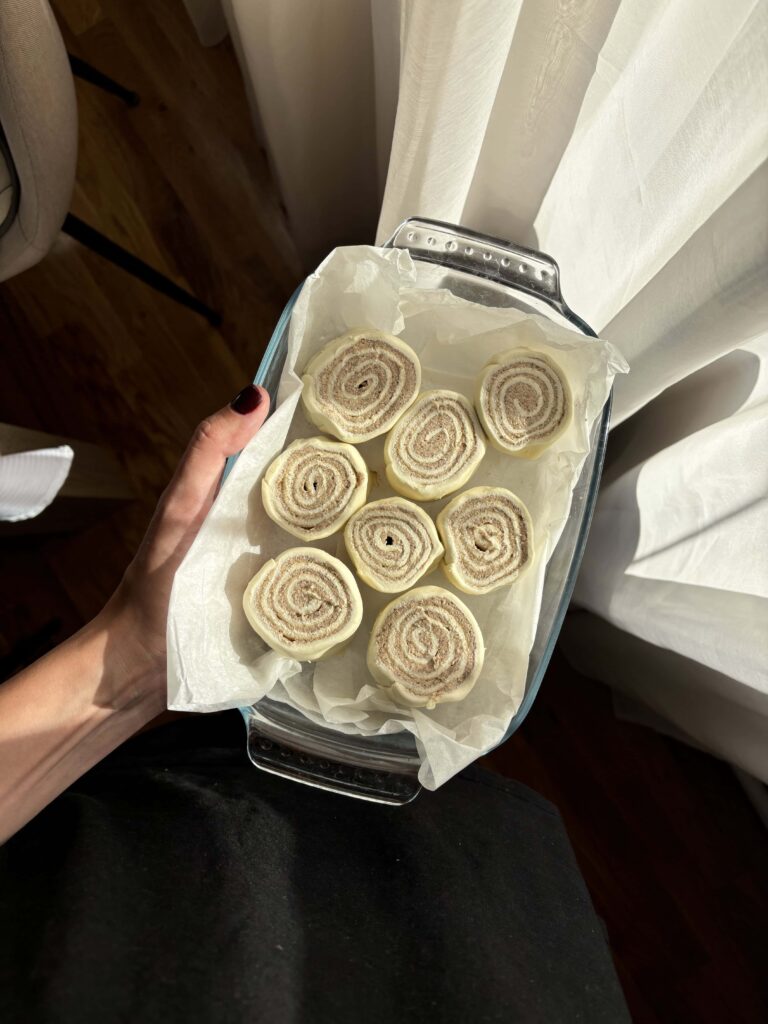
Perfect for baking, roasting, and storing leftovers, glass is a totally inert, non-toxic material that won’t leach or react with anything. It’s also microwave-safe and dishwasher-safe.
Pyrex and similar brands are great options — and chances are, you already have some in your kitchen!
Our Favourite Non-Toxic Cookware Brands
Here are a few tried-and-true brands we love for safer cookware:
- Xtrema – 100% ceramic, non-toxic, and oven/stovetop safe
- Lodge – Affordable cast iron made in the USA
- Le Creuset – High-end enameled cast iron in beautiful colors
- Made In – Stainless steel cookware with professional quality
- Caraway – Ceramic-coated cookware that’s stylish and PFAS-free
- GreenPan – A more budget-friendly ceramic-coated option
- Our Place – Trendy ceramic-coated pans (just handle them gently!)
These are just a couple of good brands to start, check out my complete non-toxic cookware brands post for a more in-depth guide on the best options, what materials to look for and which to avoid.
Don’t Know Where to Start?
Switching over your entire kitchen can feel like a lot — but you don’t need to do it all at once. Here’s an easy starting point:
- Replace old, scratched non-stick pans ASAP
- Add one stainless steel or cast iron pan for daily use
- Bake with glass instead of aluminum or coated trays
- Slowly phase out other cookware as it wears down
- Replace plastic food storage for healthier options
The Bottomline is…
Choosing non-toxic cookware isn’t about being perfect — it’s about making small, intentional choices that support your health and your home. Every swap you make is a step toward a kitchen that’s safer, cleaner, and better for the planet too.
Quality cookware can be more of an investment up front, but it’s worth it. Unlike cheaper pots and pans that wear out quickly, well-made pieces will last you for years — and they’re free from harmful chemicals. You also don’t need a huge collection. For most home cooks, a good-quality pot, pan, and baking dish will cover the basics.
Whether you’re frying eggs in cast iron or roasting veggies in glass, you’ve got options — and they don’t have to be boring or hard to clean. You just have to know what to look for.